
Use our BMI Calculator Teens to measure your teenager’s Body Mass Index and healthy weight range. Monitor growth and promote a balanced lifestyle with ease.
Your Comprehensive Health Report
Basic Information
Age:
Gender:
Height:
Weight:
BMI Results
BMI:
Category:
Ideal Weight Range:
Energy & Metabolism
BMR: calories/day
TDEE: calories/day
Body Composition
Body Fat %:
Waist-to-Hip Ratio:
WHR Category:
Health Insights
Recommendations
Body Mass Index (BMI) serves as a valuable screening tool for assessing weight status in teenagers, but it works differently than adult BMI calculations. During adolescence, rapid growth and development make standard adult BMI interpretations inappropriate. This guide explains how teen BMI calculations work, how to interpret the results properly, and why BMI should be just one part of a comprehensive health assessment for growing adolescents.
What is BMI and Why It Matters for Teenagers

BMI calculators designed specifically for teens account for age and gender differences
Body Mass Index (BMI) is a numerical value calculated using a person's weight and height. The formula divides weight in kilograms by height in meters squared (kg/m²). For adults, BMI categories are fixed: underweight (below 18.5), normal weight (18.5-24.9), overweight (25-29.9), and obese (30 and above).
However, for teenagers, these fixed categories don't apply. During adolescence, body composition naturally changes as teens grow and develop. Boys and girls develop differently, with varying amounts of muscle and fat at different ages. This is why teen BMI calculations must account for both age and gender.
Teen BMI is particularly relevant during growth periods because:
- Body composition changes rapidly during puberty
- Growth patterns differ between boys and girls
- Weight-to-height relationships shift throughout adolescence
- Early identification of potential health concerns allows for timely intervention
Rather than using fixed categories, teen BMI is compared to percentile ranges based on growth charts developed from population studies. This approach recognizes that what's "normal" varies significantly throughout adolescent development.
How Teen BMI Calculation Differs from Adult BMI
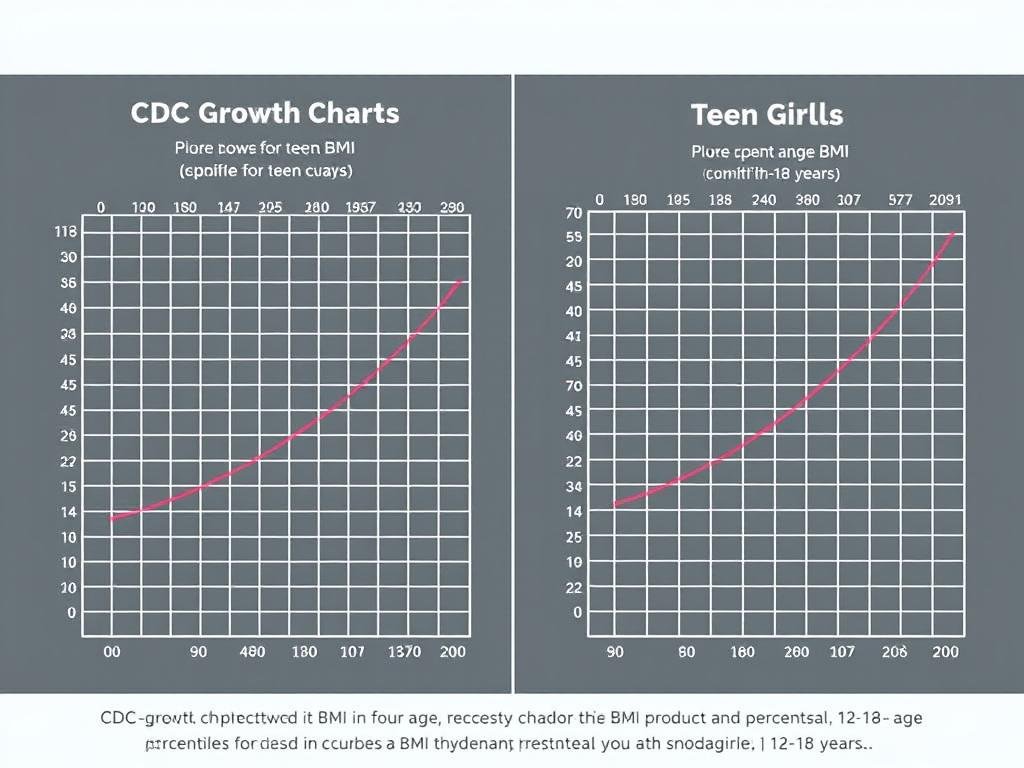
CDC growth charts display BMI-for-age percentiles separately for boys and girls
The fundamental difference between teen and adult BMI calculations lies in how the results are interpreted. While the basic formula remains the same (weight ÷ height²), teen BMI must be plotted on age and gender-specific growth charts to determine the percentile.
Adult BMI Interpretation
- Fixed categories regardless of age or gender
- Underweight: BMI less than 18.5
- Normal weight: BMI 18.5 to 24.9
- Overweight: BMI 25 to 29.9
- Obese: BMI 30 or higher
Teen BMI Interpretation
- Based on percentiles compared to other teens of same age and gender
- Underweight: Less than 5th percentile
- Healthy weight: 5th to less than 85th percentile
- Overweight: 85th to less than 95th percentile
- Obese: 95th percentile or higher
These percentiles come from growth charts developed by the Centers for Disease Control and Prevention (CDC). They're based on population data and show how a teen's BMI compares to other teens of the same age and gender.
For example, if a 14-year-old girl has a BMI in the 60th percentile, it means her BMI is higher than 60% of 14-year-old girls in the reference population. This approach accounts for the normal variations in body composition that occur during adolescent development.
How to Calculate BMI for Teens: Step-by-Step Guide
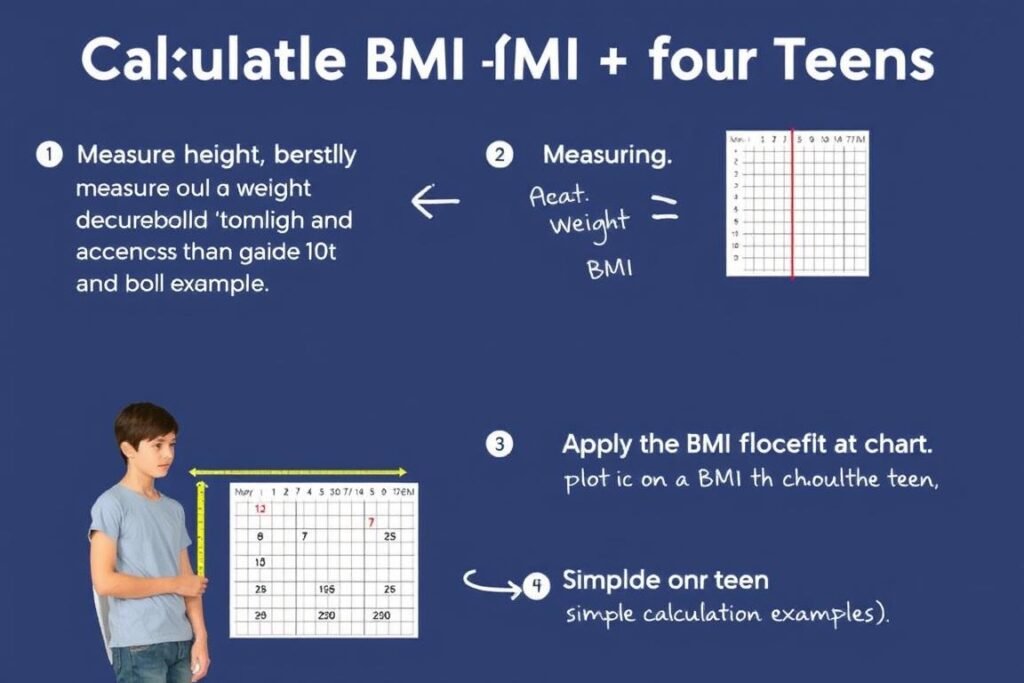
Accurate height and weight measurements are essential for proper BMI calculation
Calculating BMI for teens follows the same mathematical formula as for adults, but requires an additional step to determine the percentile. Here's how to do it:
Step 1: Gather accurate measurements
- Measure height without shoes, standing straight against a wall
- Measure weight in light clothing without shoes
- Note the teen's exact age (years and months) and gender
Step 2: Calculate the raw BMI value
You can use either metric or imperial measurements:
Metric Formula:
BMI = Weight (kg) ÷ Height² (m²)
Imperial Formula:
BMI = [Weight (lbs) ÷ Height² (inches²)] × 703
Example Calculation:
For a 15-year-old who weighs 140 pounds and is 5'6" (66 inches) tall:
BMI = (140 ÷ 66²) × 703
BMI = (140 ÷ 4,356) × 703
BMI = 0.0321 × 703
BMI = 22.6
Step 3: Determine the BMI percentile
Once you have the raw BMI value, you need to find where it falls on the CDC growth charts for the teen's age and gender. The easiest way to do this is to use the CDC's online BMI percentile calculator or app.
Interpreting BMI Results for Teenagers

Healthcare providers can help properly interpret BMI results in the context of overall health
Once you've calculated a teen's BMI and determined their percentile, you can interpret the results using the CDC's weight status categories:
| Weight Status Category | Percentile Range | What It Means |
| Underweight | Less than the 5th percentile | May indicate insufficient nutrition, high metabolism, or other health factors |
| Healthy weight | 5th percentile to less than the 85th percentile | Generally indicates appropriate weight for height, age, and gender |
| Overweight | 85th to less than the 95th percentile | May indicate excess weight relative to height |
| Obese | Equal to or greater than the 95th percentile | Indicates significant excess weight relative to height |
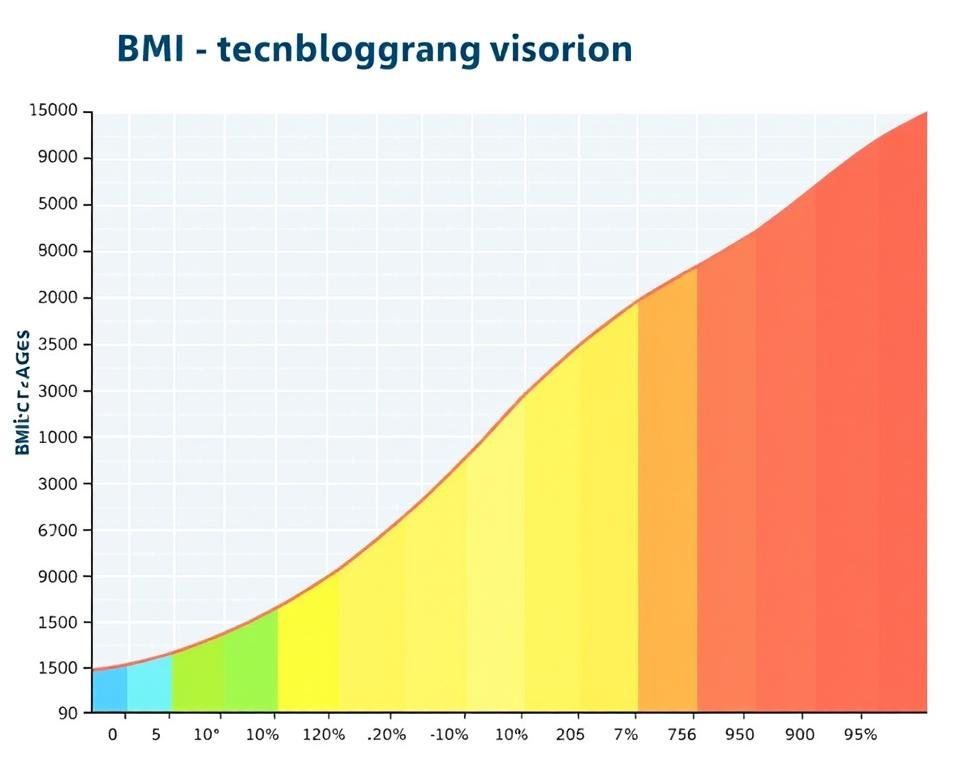
BMI-for-age growth charts help visualize where a teen's measurements fall relative to peers
It's important to understand that these categories are screening tools, not diagnostic tools. A high or low BMI percentile suggests the need for further assessment but doesn't necessarily indicate a health problem.
"BMI is just one of several screening tools to assess a teenager's health. A single BMI measurement should never be used in isolation to make health judgments or diagnoses."
BMI trends over time are often more informative than a single measurement. A teen whose BMI percentile changes significantly in a short period might warrant more attention than one whose BMI has remained consistent, even if both currently fall within the same category.
The Importance of Professional Healthcare Guidance

Healthcare providers can provide personalized interpretation of BMI results
While calculating BMI at home can provide useful information, consulting with healthcare professionals is essential for proper interpretation and guidance. Here's why professional input matters:
Benefits of Professional Guidance
- Considers family history and genetic factors
- Evaluates growth patterns over time
- Assesses pubertal development stage
- Considers muscle mass and body composition
- Screens for related health concerns
- Provides personalized recommendations
Risks of Self-Interpretation
- Misinterpreting normal growth variations
- Creating unnecessary concern or complacency
- Missing underlying health issues
- Implementing inappropriate dietary changes
- Negatively impacting body image
- Overlooking other important health indicators
Healthcare providers can place BMI results in the proper context of a teen's overall health, development stage, and individual circumstances. They can also monitor changes over time and identify concerning patterns that might not be apparent from a single measurement.
Important: If you're concerned about your teen's weight or growth, schedule an appointment with their pediatrician or family doctor. Avoid implementing restrictive diets or intensive exercise programs without professional guidance, as these can interfere with normal growth and development.
Professional Guidance Makes a Difference
Schedule a wellness check-up with your teen's healthcare provider to discuss BMI results and overall health.
Limitations of BMI for Growing Adolescents

Teens with similar BMI values can have very different body compositions
While BMI is a useful screening tool, it has several important limitations when applied to growing adolescents:
Doesn't distinguish between muscle and fat
BMI only measures total body mass relative to height, not body composition. Athletic teens with significant muscle mass may have higher BMIs despite having healthy body fat levels. Conversely, teens with low muscle mass might have "normal" BMIs despite having excess body fat.
Doesn't account for growth timing
Teens develop at different rates. Early or late bloomers might temporarily have BMIs that seem concerning but are actually appropriate for their developmental stage. Growth spurts can significantly affect BMI as height and weight change at different rates.
Doesn't consider body frame size
Teens with naturally larger or smaller bone structures may have BMIs that don't accurately reflect their health status. BMI doesn't account for differences in bone density or frame size.
May not reflect ethnic and racial differences
Different ethnic groups may have different body compositions and health risks at the same BMI levels. The CDC growth charts are based primarily on data from the U.S. population, which may not be representative of all ethnic groups.
Doesn't assess fat distribution
Where fat is stored on the body (particularly abdominal versus peripheral fat) can be more important for health risk assessment than total body fat. BMI doesn't provide information about fat distribution patterns.
Because of these limitations, BMI should always be considered alongside other health indicators and never used as the sole measure of a teen's health status. A comprehensive assessment should include family history, physical activity levels, dietary patterns, and other health markers.

Additional measurements like waist circumference can provide more comprehensive health information
Promoting Healthy Habits Regardless of BMI

Healthy habits benefit all teens regardless of their BMI percentile
Rather than focusing exclusively on BMI numbers, parents and teens should prioritize developing healthy habits that support overall wellbeing. These habits benefit all adolescents regardless of their weight status:
Nutritious Eating
- Include fruits and vegetables daily
- Choose whole grains over refined grains
- Include lean protein sources
- Limit highly processed foods
- Practice mindful eating habits
- Stay well hydrated
Regular Physical Activity
- Aim for 60 minutes daily
- Include activities that build strength
- Find enjoyable forms of movement
- Limit extended sedentary time
- Participate in team or individual sports
- Make activity a family priority
Mental Wellbeing
- Promote positive body image
- Focus on health, not appearance
- Ensure adequate sleep (8-10 hours)
- Develop stress management skills
- Build supportive relationships
- Avoid weight-focused language
"The goal for all adolescents, regardless of their BMI percentile, should be the development of lifelong healthy habits rather than achieving a specific weight or body size."
Parents and caregivers play a crucial role in modeling healthy behaviors and creating environments that support healthy choices. Focus on making gradual, sustainable changes rather than implementing strict regimens or emphasizing weight loss.

Family involvement helps establish healthy eating patterns that can last a lifetime
Remember that the teenage years are a critical period for establishing lifelong health habits. The focus should be on nurturing a positive relationship with food, physical activity, and body image rather than achieving specific numbers on a scale or BMI chart.
Reliable Resources for Teen BMI Assessment

Accessing reliable resources helps ensure accurate information about teen health
When seeking information about teen BMI and health assessment, it's important to use reliable, evidence-based resources. Here are some trustworthy sources:

American Academy of Pediatrics
The AAP's HealthyChildren.org provides expert guidance on teen growth, development, and healthy weight management strategies for families.

Academy of Nutrition and Dietetics
Provides evidence-based nutrition information for teens and families, including guidance on healthy eating patterns during adolescence.
Be cautious of: Commercial websites promoting specific products, extreme diet plans, or quick-fix solutions. Always verify health information with recognized medical organizations or healthcare providers.
These resources provide not only BMI calculators but also comprehensive information about teen health, growth patterns, and healthy lifestyle recommendations based on current scientific evidence.
Conclusion: A Balanced Approach to Teen Health Assessment
BMI calculators for teens provide a useful screening tool when used appropriately and interpreted correctly. Remember that BMI is just one measure among many that can help assess a teenager's health status. The most effective approach combines BMI percentile information with comprehensive healthcare, positive lifestyle habits, and supportive environments.
Rather than focusing exclusively on numbers, encourage teens to develop a healthy relationship with food, physical activity, and their changing bodies. Consult with healthcare professionals for personalized guidance, and use reliable resources to stay informed about adolescent health and development.
By taking a balanced, supportive approach to teen health assessment, parents and caregivers can help adolescents establish healthy habits that will benefit them throughout their lives.
Start With Professional Guidance
For the most accurate assessment of your teen's health status, schedule a comprehensive check-up with their healthcare provider.