
Use our BMI Calculator Female tool to quickly find your Body Mass Index, ideal weight range, and health category. Track your fitness goals and maintain a healthy lifestyle with accurate BMI results for women.
Your Comprehensive Health Report
Basic Information
Age:
Gender:
Height:
Weight:
BMI Results
BMI:
Category:
Ideal Weight Range:
Energy & Metabolism
BMR: calories/day
TDEE: calories/day
Body Composition
Body Fat %:
Waist-to-Hip Ratio:
WHR Category:
Health Insights
Recommendations
Body Mass Index (BMI) is a widely used screening tool that helps assess whether a person has a healthy body weight for their height. For women specifically, understanding your BMI can provide valuable insights into potential health risks and guide your wellness journey. This comprehensive guide explains what BMI is, how it's calculated for women, and offers an interactive calculator to help you determine your own BMI quickly and accurately.
What is BMI and Why is it Important for Women?
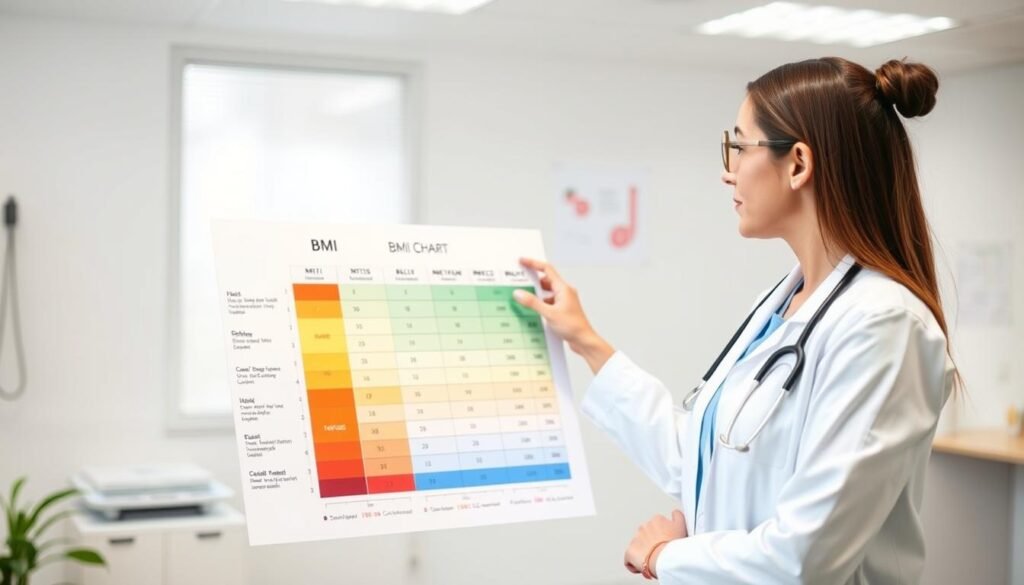
Body Mass Index (BMI) is a numerical value calculated from your weight and height that provides a simple measure of body fatness. It serves as a screening tool to identify potential weight problems in adults, including women of all ages.
For women specifically, BMI can be particularly relevant as body composition and weight distribution tend to differ from men. Women naturally have higher body fat percentages than men, and factors like pregnancy, menopause, and hormonal changes can affect weight and body composition throughout life.
Monitoring your BMI as a woman can help:
- Assess your risk for certain health conditions like heart disease, diabetes, and some cancers
- Track weight changes over time, especially during significant life stages
- Provide a starting point for conversations with healthcare providers about weight management
- Guide nutritional and fitness goals for overall health improvement
While BMI is a useful screening tool, it's important to remember that it doesn't directly measure body fat or account for factors like muscle mass, bone density, and overall body composition—considerations we'll address later in this article.
How to Calculate BMI for Women
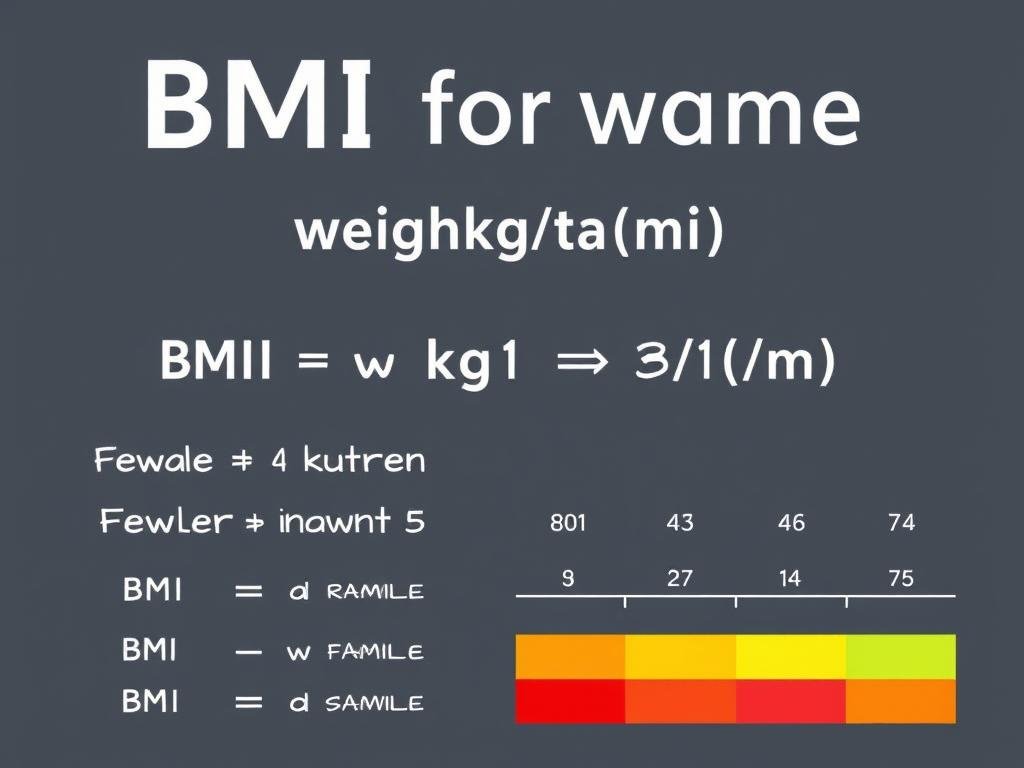
The BMI formula is the same for both men and women, though interpretation may vary. Here's how to calculate your BMI manually:
BMI Formula (Metric Units)
BMI = Weight (kg) ÷ Height² (m²)
BMI Formula (Imperial Units)
BMI = [Weight (lbs) ÷ Height² (inches²)] × 703
Step-by-Step Example
Let's calculate the BMI for a woman who is 5'4" (64 inches) tall and weighs 145 pounds:
- Convert measurements if needed (already in imperial units)
- Square the height: 64 × 64 = 4,096 square inches
- Divide weight by squared height: 145 ÷ 4,096 = 0.0354
- Multiply by the conversion factor: 0.0354 × 703 = 24.9
- Result: BMI = 24.9, which falls in the "Normal weight" category
For metric calculations, if a woman weighs 65 kg and is 1.65 meters tall:
- Square the height: 1.65 × 1.65 = 2.72 square meters
- Divide weight by squared height: 65 ÷ 2.72 = 23.9
- Result: BMI = 23.9, which falls in the "Normal weight" category
Understanding BMI Categories for Women
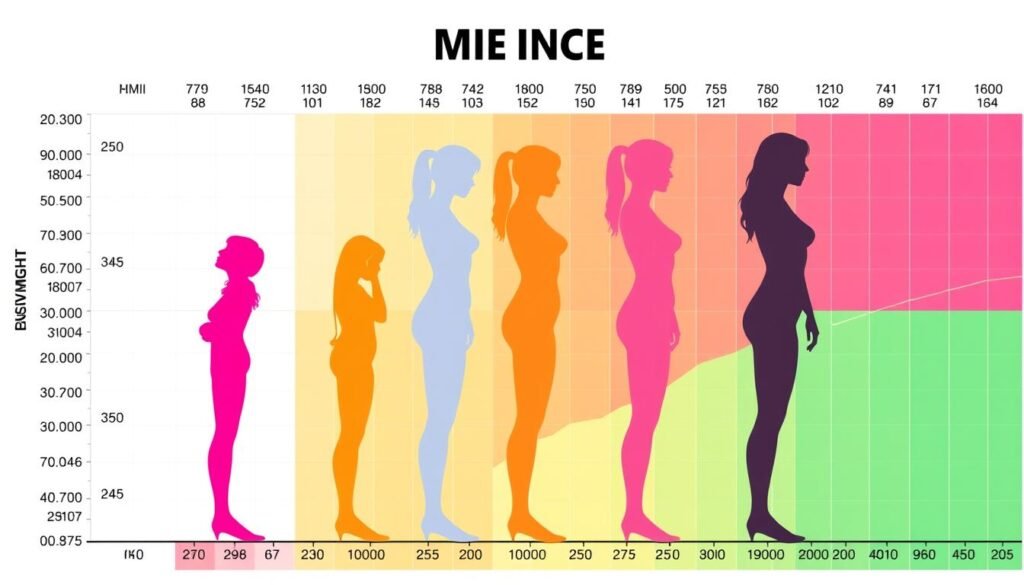
BMI values are grouped into categories that indicate whether a person may be underweight, at a healthy weight, overweight, or obese. These categories are the same for adult men and women of all body types and ages.
| BMI Category | BMI Range (kg/m²) | Health Risk |
| Underweight | Below 18.5 | Increased risk of nutritional deficiencies, osteoporosis, and compromised immune function |
| Normal weight | 18.5 to 24.9 | Lowest risk for weight-related health problems |
| Overweight | 25.0 to 29.9 | Increased risk of heart disease, high blood pressure, type 2 diabetes |
| Obesity (Class I) | 30.0 to 34.9 | High risk of weight-related health problems |
| Obesity (Class II) | 35.0 to 39.9 | Very high risk of weight-related health problems |
| Obesity (Class III) | 40.0 and above | Extremely high risk of weight-related health problems |
It's important to note that these categories are general guidelines. Individual health assessment should take into account other factors beyond BMI alone.
BMI Considerations Across Different Age Groups for Women

BMI interpretation can vary across different life stages for women. Here's how age factors into BMI considerations:
Young Adult Women (18-30)
- Standard BMI categories generally apply
- Focus on establishing healthy habits
- May have higher muscle mass affecting BMI
- Weight fluctuations common due to lifestyle changes
Middle-Aged Women (30-50)
- Hormonal changes may affect weight distribution
- Pregnancy and postpartum periods require special consideration
- Metabolism typically begins to slow
- Increased importance of maintaining healthy BMI
Older Women (50+)
- Menopause affects body composition and fat distribution
- Muscle mass naturally decreases with age
- Slightly higher BMI (24-27) may be beneficial
- Focus shifts to maintaining muscle mass and bone density
Special Consideration: Pregnancy
BMI calculations are not applicable during pregnancy. Healthcare providers use different weight gain guidelines based on pre-pregnancy BMI. Always consult with your healthcare provider for personalized guidance during pregnancy.
Limitations of BMI for Women
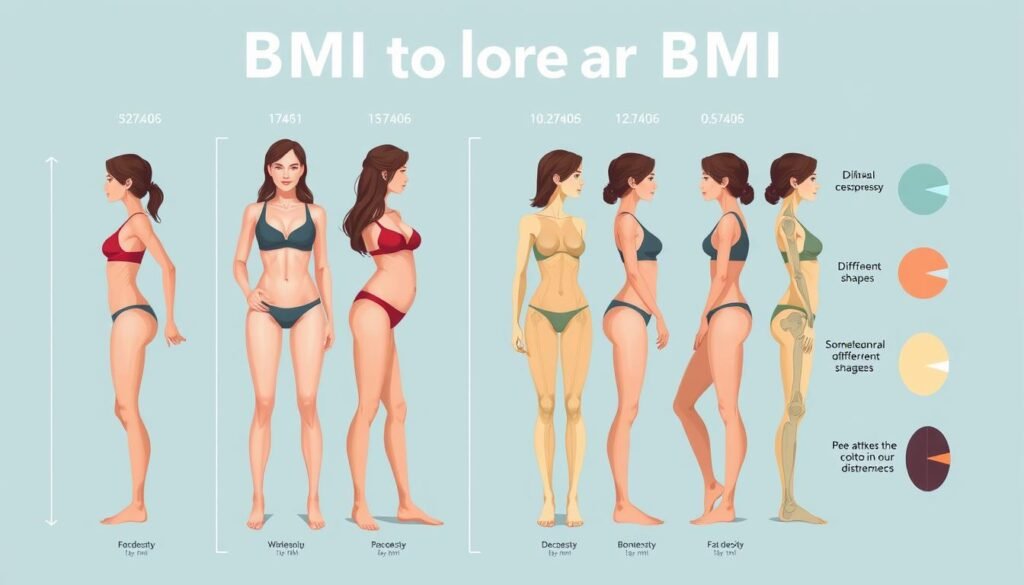
While BMI is a useful screening tool, it has several limitations, particularly for women. Understanding these limitations is crucial for proper interpretation of your BMI results:
BMI Limitations for Women
- Doesn't measure body fat directly: BMI is calculated based only on height and weight, not actual body composition.
- Doesn't account for muscle mass: Athletic women with higher muscle mass may have higher BMI despite having healthy body fat levels.
- Ignores fat distribution: Where fat is stored matters for health risk. BMI doesn't distinguish between abdominal fat (higher risk) and hip/thigh fat.
- Doesn't consider age-related changes: Women naturally experience body composition changes with age, particularly after menopause.
- Ethnic and racial variations: BMI thresholds may need adjustment for different ethnic groups.
- Pregnancy and postpartum: BMI is not applicable during pregnancy and requires context in the postpartum period.
"BMI is meant to be a simple screening tool, but for many women, it doesn't tell the complete story of their health. Body composition, lifestyle, and other health markers should be considered alongside BMI."
Beyond BMI: Alternative Health Measurements for Women
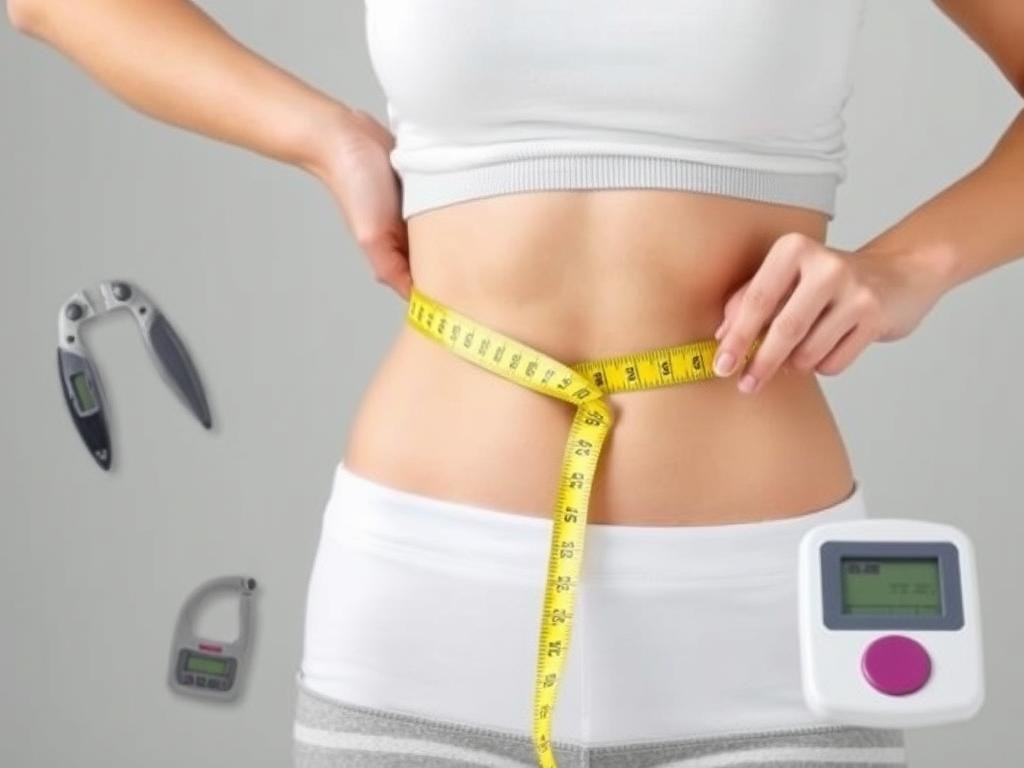
Given the limitations of BMI, many health professionals recommend using additional measurements alongside BMI for a more comprehensive health assessment:
Waist Circumference
Waist circumference measures abdominal fat, which is a better predictor of health risks than BMI alone. For women, a waist measurement of more than 35 inches (88 cm) indicates an increased health risk, regardless of BMI.
How to measure:
- Stand straight with feet together
- Place measuring tape at the top of your hip bone
- Wrap around your waist at navel level
- Ensure the tape is snug but not compressing skin
- Measure after exhaling normally
Waist-to-Hip Ratio (WHR)
This ratio compares waist size to hip size, providing insight into fat distribution. Women with a WHR greater than 0.85 have an increased health risk.
How to calculate:
- Measure waist circumference as described
- Measure hip circumference at widest part
- Divide waist measurement by hip measurement
- Example: 30-inch waist ÷ 38-inch hips = 0.79 WHR
Body Fat Percentage
Body fat percentage directly measures the proportion of fat in your body, providing a more accurate picture of body composition than BMI.
| Classification | Women (% Body Fat) | Assessment Method |
| Essential Fat | 10-13% | • Bioelectrical Impedance Analysis (BIA) • Skinfold Measurements • DEXA Scan • Hydrostatic Weighing • Air Displacement Plethysmography |
| Athletes | 14-20% | |
| Fitness | 21-24% | |
| Acceptable | 25-31% | |
| Obese | 32%+ |

Health Recommendations Based on BMI Results

Understanding your BMI is just the first step. Here are practical recommendations based on different BMI categories:
If Your BMI is Below 18.5 (Underweight)
- Consult with a healthcare provider to rule out underlying conditions
- Work with a registered dietitian to develop a healthy weight gain plan
- Focus on nutrient-dense foods that provide healthy calories
- Incorporate strength training to build muscle mass
- Consider smaller, more frequent meals if you struggle with appetite
- Monitor bone density, especially if underweight for extended periods
If Your BMI is 18.5-24.9 (Normal)
- Maintain your current healthy habits
- Aim for at least 150 minutes of moderate exercise weekly
- Focus on balanced nutrition with plenty of fruits and vegetables
- Continue regular health screenings as recommended by your doctor
- Consider strength training to maintain muscle mass, especially as you age
- Monitor weight changes over time to stay within the healthy range
If Your BMI is 25-29.9 (Overweight)
- Discuss with your healthcare provider if weight loss is recommended
- Aim for gradual weight loss of 1-2 pounds per week if advised
- Increase physical activity to at least 150-300 minutes per week
- Focus on portion control and reducing processed foods
- Consider keeping a food journal to identify eating patterns
- Get regular health screenings for related conditions
If Your BMI is 30 or Above (Obese)
- Work closely with healthcare providers to develop a comprehensive plan
- Set realistic, sustainable weight loss goals
- Consider structured programs with professional support
- Focus on health improvements beyond weight (blood pressure, energy levels)
- Get screened for weight-related health conditions
- Consider behavioral therapy to address emotional eating patterns
For All Women, Regardless of BMI
- Remember that BMI is just one health indicator
- Focus on overall health rather than just weight
- Prioritize nutrient-dense foods and regular physical activity
- Manage stress through mindfulness, adequate sleep, and relaxation
- Stay hydrated with plenty of water throughout the day
- Celebrate non-scale victories like improved energy and strength
Ready to Take the Next Step in Your Health Journey?
Remember that BMI is just one tool for assessing health. For a more comprehensive evaluation, consider consulting with a healthcare professional who can provide personalized guidance based on your unique health profile.
BMI and Body Positivity: Finding the Balance

While BMI provides useful health information, it's important to approach it with a balanced perspective that honors both health concerns and body positivity:
"Health comes in different shapes and sizes. BMI is one tool among many to assess health, but it doesn't define your worth, beauty, or complete health status."
Embracing a Balanced Approach
Health-Focused Mindset
- Use BMI as one of many tools to assess health
- Focus on behaviors rather than numbers
- Celebrate improvements in strength, energy, and well-being
- Work with healthcare providers who consider your whole health picture
Body-Positive Practices
- Appreciate what your body can do, not just how it looks
- Choose movement that feels good and sustainable
- Nourish your body with foods that support health and enjoyment
- Recognize that health exists on a spectrum and at many sizes
Remember that health is multidimensional and includes physical, mental, and emotional well-being. A holistic approach that considers all these factors will serve you better than focusing solely on BMI or weight.
Conclusion: Using BMI as Part of Your Health Journey

BMI is a valuable screening tool that can provide insights into potential health risks related to weight. For women specifically, understanding your BMI—along with its limitations—can be an important part of your overall health assessment.
Remember these key takeaways:
- BMI is calculated using your weight and height and provides a general indication of whether you're at a healthy weight
- While the same BMI categories apply to both men and women, interpretation should consider female-specific factors like natural body composition differences
- BMI has limitations, particularly for athletic women, pregnant women, and older adults
- Complementary measurements like waist circumference and body fat percentage provide a more complete picture
- A health-focused, body-positive approach balances the use of BMI with overall wellbeing
Use the BMI calculator provided in this article as a starting point, but remember that true health encompasses much more than a single number. Work with healthcare professionals to develop a personalized approach to your health that considers your unique circumstances, goals, and needs.
Take Control of Your Health Today
Understanding your BMI is just the beginning. Use this knowledge as a stepping stone toward a healthier, more balanced lifestyle that works for you.
Frequently Asked Questions About BMI for Women
Is BMI calculated differently for women and men?
No, the BMI formula is the same for both women and men. However, interpretation may differ as women naturally have higher body fat percentages than men. This is why additional measurements like body fat percentage and waist circumference are particularly valuable for women.
Should I use BMI during pregnancy?
BMI is not used to evaluate weight during pregnancy. Instead, healthcare providers use pre-pregnancy BMI to determine recommended weight gain ranges during pregnancy. Weight gain guidelines vary based on your starting BMI category. Always consult with your healthcare provider for personalized guidance during pregnancy.
What is a healthy BMI for women over 50?
While the standard BMI categories apply to women of all ages, some research suggests that for women over 50, especially post-menopause, a slightly higher BMI (between 24-27) may be associated with better health outcomes. This is partly due to natural changes in body composition with age. Consult with your healthcare provider for personalized guidance.
How often should I calculate my BMI?
For most women, checking BMI once or twice a year is sufficient, unless you're actively working on weight management under medical supervision. Frequent BMI calculations can lead to unnecessary focus on weight fluctuations. Instead, pay attention to how your clothes fit, your energy levels, and other health markers.
Can BMI be inaccurate for athletic women?
Yes, BMI can overestimate body fat in athletic women with significant muscle mass. Since muscle weighs more than fat, athletic women may have a BMI that categorizes them as "overweight" despite having healthy body fat levels. In these cases, body fat percentage measurements provide more accurate information about health status.