
Use our BMI Calculator Child to determine your child’s healthy weight range. Easily calculate Body Mass Index (BMI) for kids and ensure proper growth and development.
Your Child’s BMI Result
Basic Info
Age:
Gender:
Height:
Weight:
BMI Report
BMI:
Percentile:
Category:
Health Insights
Recommendations
What is BMI and Why is it Important for Children?

Healthcare providers use BMI as one tool to screen for potential weight concerns in children
Body mass index (BMI) is a calculation that uses height and weight to estimate how much body fat a person has. For children and teens, BMI is age- and sex-specific and is often referred to as BMI-for-age.
BMI is important for children because it can help identify potential weight problems early. Children with high BMI may develop serious health problems like diabetes, heart disease, and asthma. They may also experience psychological issues related to body image and self-esteem.
However, it's crucial to understand that BMI is just a screening tool, not a diagnostic measure. A child with a high BMI should be evaluated by a healthcare provider, who will perform additional assessments to determine if excess fat is a problem.
Important: BMI calculations for children differ from adults because children's body composition changes as they grow and differs between boys and girls at various ages.
How BMI Calculation Differs for Children vs. Adults
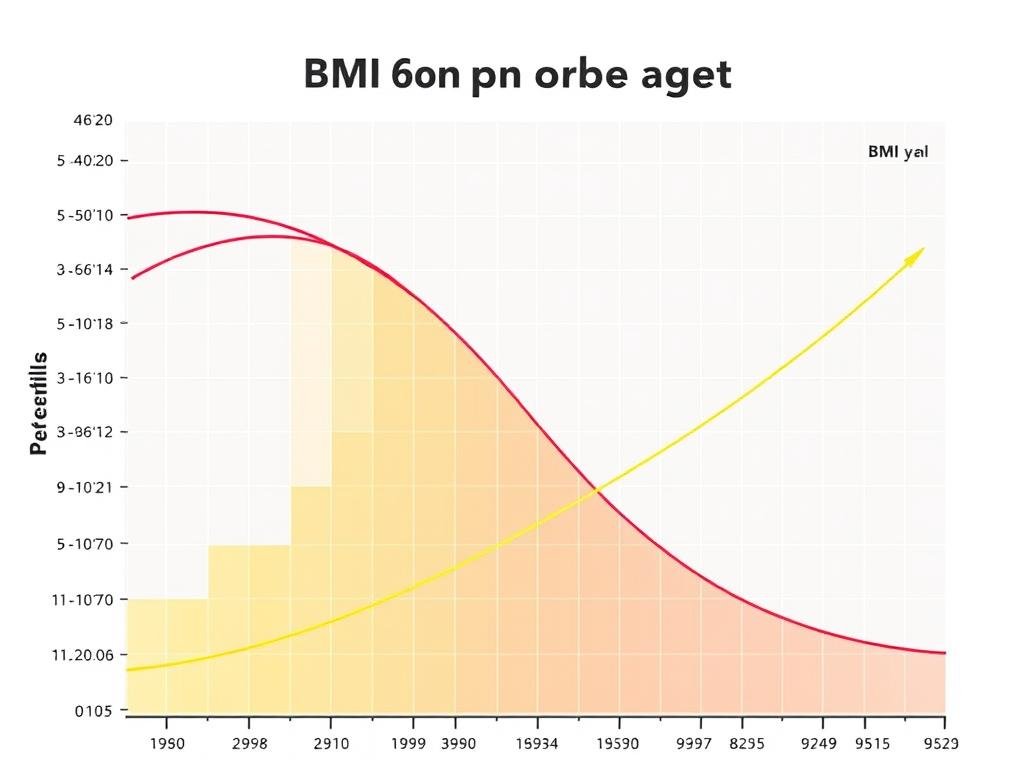
CDC growth charts plot BMI-for-age on percentile curves specific to gender
While adult BMI uses fixed thresholds regardless of age or gender, children's BMI interpretation depends on age and sex. This is because the amount of body fat changes with age and differs between boys and girls as they mature.
For children and teens aged 2-20, BMI is plotted on growth charts from the Centers for Disease Control and Prevention (CDC). These charts convert BMI numbers into percentiles based on the child's age and gender.
| BMI Percentile Range | Weight Status Category |
| Less than the 5th percentile | Underweight |
| 5th percentile to less than the 85th percentile | Healthy Weight |
| 85th percentile to less than the 95th percentile | Overweight |
| Equal to or greater than the 95th percentile | Obese |
A percentile shows where your child's BMI falls in comparison with other children of the same age and gender. For example, if your child is at the 60th percentile, it means 60% of children of the same age and gender have a lower BMI.
How to Calculate Your Child's BMI
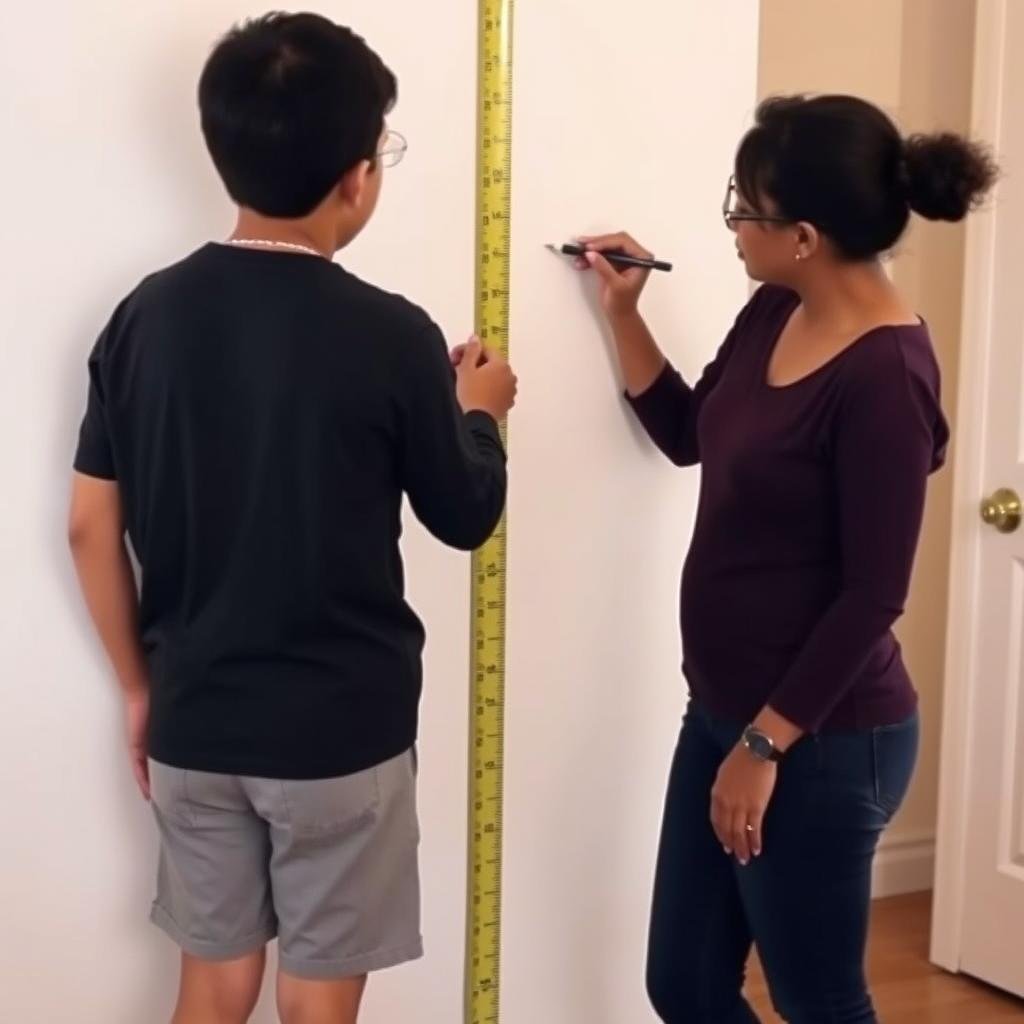
Accurate height and weight measurements are essential for correct BMI calculation
Calculating your child's BMI involves a simple formula, but interpreting the results requires age and gender-specific charts. Here's how to calculate the basic BMI value:
BMI = Weight (kg) ÷ [Height (m)]²
OR
BMI = [Weight (lb) ÷ Height (in)²] × 703
Step-by-Step BMI Calculation Example
Using Metric Units:
For a 10-year-old boy who weighs 35 kg and is 138 cm tall:
- Convert height to meters: 138 cm = 1.38 m
- Square the height: 1.38 m × 1.38 m = 1.9044 m²
- Divide weight by height squared: 35 kg ÷ 1.9044 m² = 18.38
BMI = 18.38
Using Imperial Units:
For an 8-year-old girl who weighs 60 pounds and is 50 in tall:
- Square the height: 50 in × 50 in = 2500 in²
- Divide weight by height squared: 60 lb ÷ 2500 in² = 0.024
- Multiply by 703: 0.024 × 703 = 16.87
BMI = 16.87
Interpreting Your Child's BMI Results

Always discuss BMI results with a healthcare provider for proper interpretation
Once you've calculated your child's BMI, you need to determine which percentile they fall into on the CDC growth charts. This requires knowing their exact age in months and their gender.
Understanding BMI Percentiles
Underweight (less than 5th percentile)
A child in this range may be naturally thin. However, it could also indicate nutritional deficiencies or other health issues. Consult with a healthcare provider to determine if there are underlying concerns.
Healthy Weight (5th to 84th percentile)
Children in this range have a weight that's considered appropriate for their height. Continue to encourage healthy eating habits and regular physical activity to maintain this status.
Overweight (85th to 94th percentile)
This range suggests that a child may have excess weight for their height. It's important to discuss healthy lifestyle changes with a healthcare provider before making any significant changes to diet or activity.
Obese (95th percentile or higher)
Children in this range have weight that may pose health risks. A healthcare provider should evaluate your child to determine appropriate next steps and potential interventions.
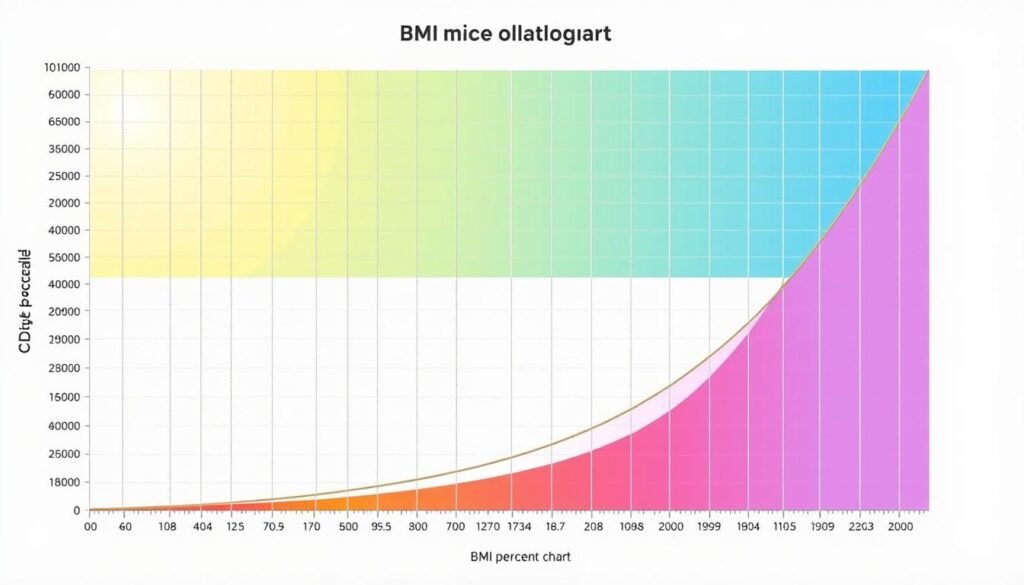
CDC growth charts help interpret BMI values based on age and gender
Remember: BMI is just one screening tool and doesn't directly measure body fat or health. Athletic children with more muscle mass may have a higher BMI without excess fat.
Need Help Interpreting Results?
BMI is a screening tool, not a diagnostic measure. For a complete assessment of your child's growth and health, consult with a healthcare provider.
Age and Gender Considerations in BMI Assessment

Boys and girls naturally have different body compositions at various ages
Children's bodies change dramatically as they grow, with distinct patterns for boys and girls. These natural differences are why age and gender are crucial factors in interpreting BMI for children.
Age Considerations
- Infants and toddlers naturally have higher body fat percentages
- Children typically slim down during preschool years (4-5 years)
- Many children experience an "adiposity rebound" around age 5-7
- Puberty brings significant body composition changes
- Growth spurts can temporarily affect BMI calculations
Gender Differences
- Girls typically have higher body fat percentages than boys at the same BMI
- Boys generally gain more muscle mass during puberty
- Girls often experience body fat redistribution during puberty
- Growth pattern timing differs between boys and girls
- Healthy weight ranges differ by gender at the same age
Did you know? The timing of the "adiposity rebound" (when BMI begins to increase after reaching its lowest point) can be an early indicator of future weight status. Earlier rebounds (before age 5) are associated with higher risk of obesity later in life.
The Importance of Tracking BMI Over Time

Tracking BMI percentiles over time provides more valuable information than single measurements
A single BMI calculation provides limited information. What's more valuable is tracking how your child's BMI percentile changes over time. This can reveal important patterns in their growth and development.
What to Watch For:
Concerning Patterns
- Rapid increases in BMI percentile
- "Crossing" multiple percentile lines upward
- Early adiposity rebound (before age 5)
- Sudden weight loss or BMI decrease
- Failure to gain appropriate weight during growth periods
Normal Variations
- Small fluctuations between percentile lines
- Temporary changes during growth spurts
- Gradual increases during puberty
- Seasonal variations (e.g., slightly higher in winter)
- Changes during recovery from illness
The goal isn't necessarily to maintain the same BMI percentile throughout childhood, but rather to maintain a healthy growth pattern without dramatic shifts in percentiles.

A healthy growth pattern typically shows consistent tracking along a percentile channel
When to Consult a Healthcare Professional

Regular check-ups allow healthcare providers to monitor your child's growth patterns
While tracking BMI at home is valuable, professional medical guidance is essential for proper interpretation and advice. Here are situations when you should consult a healthcare provider about your child's BMI:
Seek Medical Advice If:
- Your child's BMI is below the 5th percentile (underweight)
- Your child's BMI is at or above the 85th percentile (overweight)
- There's a rapid change in BMI percentile (crossing two or more percentile lines)
- Your child shows concerns about their weight or body image
- You're considering making significant changes to your child's diet or activity level
Healthcare providers can offer personalized guidance based on your child's complete health picture. They may:
- Perform additional measurements (like skinfold thickness)
- Assess muscle mass and body composition
- Evaluate growth patterns over time
- Consider family health history
- Check for underlying medical conditions
- Provide age-appropriate nutrition and activity recommendations
Schedule a Well-Child Visit
Regular check-ups are the best way to monitor your child's growth and development. Most pediatricians recommend annual well-child visits.
Healthy Lifestyle Recommendations for Children

Involving children in meal preparation helps establish healthy eating habits
Regardless of your child's current BMI, these evidence-based recommendations can help support healthy growth and development:
Nutrition Guidelines
- Offer a variety of fruits and vegetables daily
- Choose whole grains over refined grains
- Include lean proteins and healthy fats
- Limit added sugars and highly processed foods
- Provide regular, structured meals and snacks
- Encourage water as the primary beverage
- Practice family meals whenever possible
Physical Activity Recommendations
- Children ages 3-5: Active play throughout the day
- Children ages 6-17: At least 60 minutes of physical activity daily
- Include aerobic, muscle-strengthening, and bone-strengthening activities
- Focus on enjoyable activities that match your child's interests
- Limit recreational screen time to no more than 2 hours daily
- Encourage outdoor play and family activities

Regular physical activity is essential for healthy development and weight management
Focus on health, not weight. The goal should be to help children develop a positive relationship with food and physical activity that will support their health throughout life.
Common Misconceptions About Children's BMI

Athletic children with higher muscle mass may have higher BMI without excess body fat
BMI Facts
- BMI is a useful screening tool for population health
- BMI percentiles account for normal growth changes
- Tracking BMI over time provides valuable information
- BMI correlates with health risks at population level
- BMI is easy and inexpensive to calculate
BMI Limitations
- BMI doesn't directly measure body fat
- BMI can misclassify muscular children
- BMI doesn't account for body fat distribution
- BMI is less accurate during puberty's rapid changes
- BMI doesn't reflect overall health or fitness
Addressing Common Myths:
Myth: "My child will outgrow their weight issues."
While some children do naturally adjust as they grow, research shows that without intervention, most children with obesity will continue to have weight issues into adulthood. Early intervention is key.
Myth: "BMI isn't accurate for children."
BMI-for-age percentiles were specifically designed for children and account for normal developmental changes. While not perfect, they provide valuable screening information when tracked over time.
Myth: "Putting children on diets is the solution."
Restrictive diets can be harmful for growing children and may lead to disordered eating. Instead, focus on gradual improvements to family eating patterns and increased physical activity.
Myth: "Baby fat is always normal."
While some children are naturally chubbier, rapid weight gain that crosses multiple percentile lines warrants attention. Early patterns can predict later weight status.
Resources for Parents

Reliable resources can help parents make informed decisions about their child's health
These trusted resources provide additional information about child growth, nutrition, and physical activity:
Growth & BMI Resources
Nutrition Resources
Physical Activity Resources
Conclusion: BMI as Part of Your Child's Health Journey
BMI is a valuable screening tool that can help identify potential weight concerns in children, but it's just one piece of the health puzzle. By understanding how to calculate and interpret your child's BMI, tracking changes over time, and knowing when to consult healthcare professionals, you can use this tool effectively to support your child's growth and development.
Remember that healthy habits established in childhood—including nutritious eating patterns, regular physical activity, and a positive body image—set the foundation for lifelong health. Focus on creating a supportive environment that nurtures your child's overall wellbeing rather than emphasizing weight alone.
If you have concerns about your child's weight or growth pattern, consult with a healthcare provider who can provide personalized guidance based on your child's unique needs and circumstances.