
Use our Calorie Calculator to estimate your daily calorie needs based on age, gender, weight, height, and activity level. Reach your fitness goals easily.
Your Daily Calorie Needs
Basic Metabolic Rate (BMR)
BMR: calories/day
This is the number of calories your body needs to maintain basic physiological functions at rest.
Total Daily Energy Expenditure (TDEE)
TDEE: calories/day
This is the total calories you burn in a day, including physical activity.
Calorie Recommendations
Knowing how many calories your body needs is fundamental to achieving your health and fitness goals. Whether you’re looking to lose weight, gain muscle, or simply maintain your current physique, a calorie calculator provides the essential starting point for your journey. This guide will walk you through everything you need to know about calorie calculators, how they work, and how to use them effectively to reach your personal goals.
What Is a Calorie Calculator?

A calorie calculator is a tool that estimates how many calories your body needs daily based on several personal factors. These calculators use scientifically validated formulas to determine your energy requirements for maintaining, losing, or gaining weight.
Unlike generic dietary recommendations, calorie calculators provide personalized estimates tailored to your specific body composition, lifestyle, and goals. They serve as the foundation for creating effective nutrition plans that align with your objectives, whether that’s shedding pounds, building muscle, or maintaining your current weight.
Ready to Calculate Your Daily Calorie Needs?
Try our recommended online calorie calculator for an accurate estimate of your daily energy requirements.
Different Types of Calorie Calculators
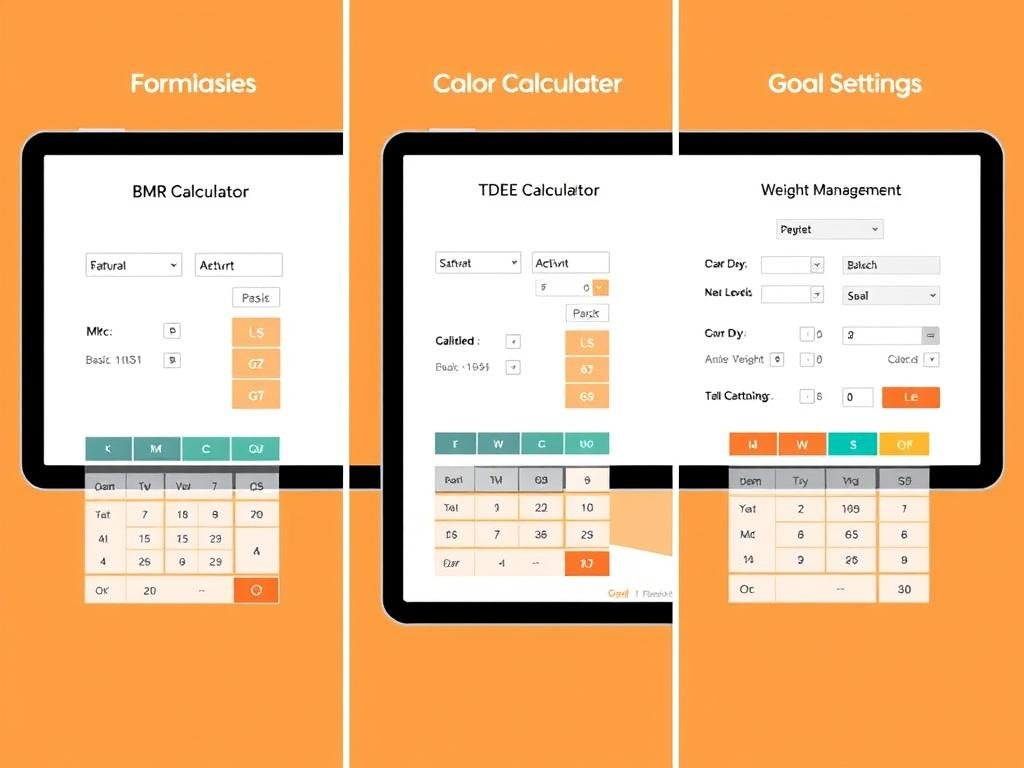
There are several types of calorie calculators available, each serving a specific purpose in your health and fitness journey. Understanding the differences between them will help you choose the right tool for your needs.
BMR Calculators
Basal Metabolic Rate (BMR) calculators estimate the number of calories your body needs at complete rest just to maintain basic life functions like breathing, circulation, and cell production. This is essentially your body’s minimum energy requirement without any physical activity.
TDEE Calculators
Total Daily Energy Expenditure (TDEE) calculators take your BMR and factor in your activity level to provide a more accurate estimate of your daily calorie needs. These calculators account for all the energy you expend throughout the day, including exercise, work activities, and even fidgeting.
Weight Management Calculators
These specialized calculators go beyond basic energy needs and provide calorie targets specifically for weight loss or weight gain. They typically calculate a calorie deficit (for weight loss) or surplus (for weight gain) based on your goals and desired rate of change.
How Calorie Calculators Work
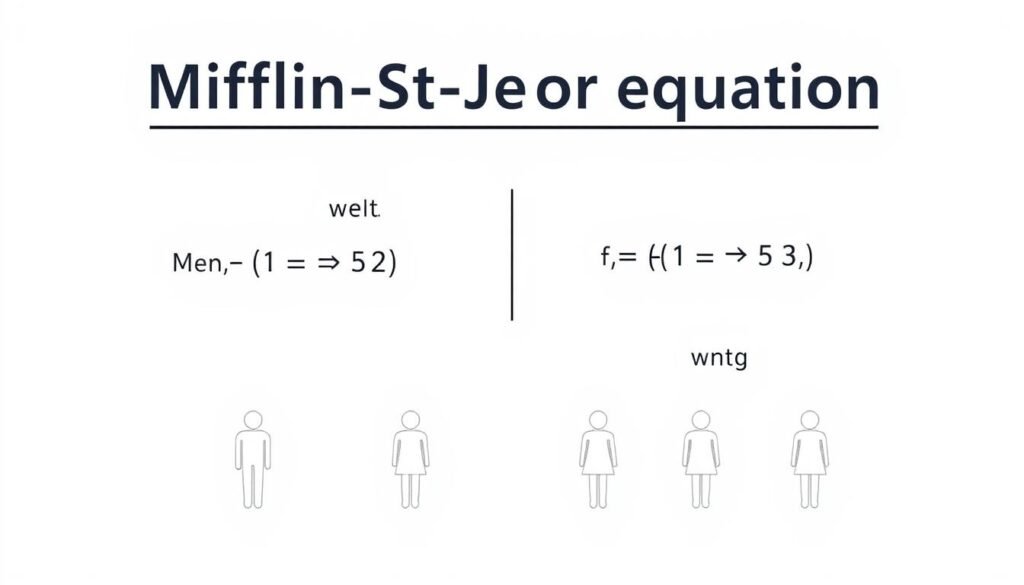
Calorie calculators rely on mathematical formulas developed through scientific research to estimate your energy needs. The two most commonly used equations are the Harris-Benedict and Mifflin-St Jeor formulas.
Harris-Benedict Equation
Developed in the early 20th century, this was one of the first formulas used to calculate BMR:
- For men: BMR = 88.362 + (13.397 × weight in kg) + (4.799 × height in cm) – (5.677 × age in years)
- For women: BMR = 447.593 + (9.247 × weight in kg) + (3.098 × height in cm) – (4.330 × age in years)
Mifflin-St Jeor Equation
Introduced in 1990, this formula is considered more accurate for most people and is widely used in modern calorie calculators:
- For men: BMR = (10 × weight in kg) + (6.25 × height in cm) – (5 × age in years) + 5
- For women: BMR = (10 × weight in kg) + (6.25 × height in cm) – (5 × age in years) – 161
After calculating your BMR using one of these formulas, calorie calculators apply an activity multiplier to estimate your TDEE:
| Activity Level | Description | Multiplier |
| Sedentary | Little or no exercise | 1.2 |
| Lightly Active | Light exercise 1-3 days/week | 1.375 |
| Moderately Active | Moderate exercise 3-5 days/week | 1.55 |
| Very Active | Hard exercise 6-7 days/week | 1.725 |
| Extremely Active | Very hard exercise & physical job | 1.9 |
Track Your Calories Effortlessly
Ready to put your calorie calculations into action? Start tracking your daily intake with a free app.
Factors That Affect Calorie Calculations
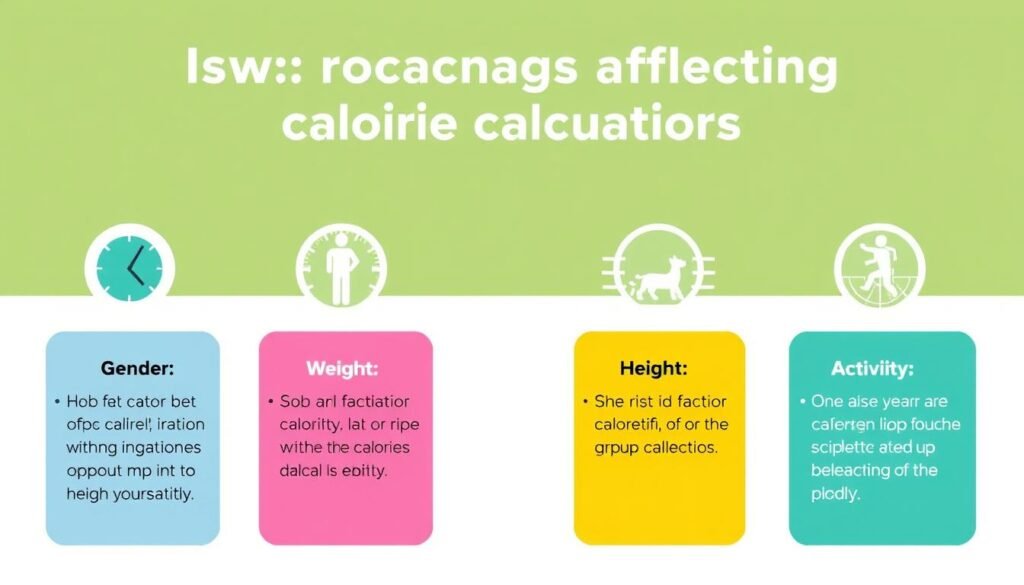
Several personal factors significantly influence your calorie needs. Understanding these variables helps explain why calorie requirements differ from person to person and why generic recommendations often fall short.
Age
As we age, our metabolism naturally slows down. This means that older individuals typically require fewer calories than younger people with similar characteristics. Most calorie calculators factor in age to account for this metabolic decline.
Gender
Biological differences between males and females affect calorie needs. Men generally have more muscle mass and less body fat than women of comparable size, resulting in higher calorie requirements. This is why calorie calculators use different formulas based on gender.
Weight and Height
Your current weight and height directly impact your energy needs. Larger bodies require more calories for basic functions. Calorie calculators use these measurements as primary inputs for determining your BMR.
Activity Level
Physical activity significantly increases calorie expenditure. Someone who exercises regularly or has a physically demanding job will need substantially more calories than someone with a sedentary lifestyle. Selecting the appropriate activity level is crucial for accurate calculations.
Body Composition
Muscle tissue burns more calories at rest than fat tissue. Two people with the same weight but different body compositions can have different calorie needs. Some advanced calculators incorporate body fat percentage for more precise estimates.
Practical Applications of Calorie Calculators
Calorie calculators serve as valuable tools for various health and fitness goals. Here’s how to apply the information they provide to achieve specific objectives.

For Weight Loss
To lose weight effectively, you need to create a calorie deficit by consuming fewer calories than your body burns. Here’s how to use a calorie calculator for weight loss:
- Calculate your TDEE using a calorie calculator
- Subtract 500-1000 calories from your TDEE (this creates a deficit that should result in 1-2 pounds of weight loss per week)
- Set this new number as your daily calorie target
- Track your food intake to ensure you stay within your calorie goal
- Recalculate your needs every 10-15 pounds lost, as your calorie requirements will decrease as you lose weight
Example: A 35-year-old woman weighing 180 pounds, standing 5’6″ tall with a moderately active lifestyle might have a TDEE of approximately 2,300 calories. For weight loss, she would aim for 1,800 calories daily (creating a 500-calorie deficit).
For Muscle Gain
Building muscle requires a calorie surplus combined with strength training. Here’s how to use a calorie calculator for muscle gain:
- Calculate your TDEE using a calorie calculator
- Add 250-500 calories to your TDEE (this creates a surplus that supports muscle growth without excessive fat gain)
- Set this higher number as your daily calorie target
- Ensure adequate protein intake (typically 1.6-2.2g per kg of body weight)
- Combine with a progressive resistance training program
Example: A 25-year-old man weighing 160 pounds, standing 5’10” tall with a very active lifestyle might have a TDEE of approximately 2,800 calories. For muscle gain, he would aim for 3,100-3,300 calories daily (creating a 300-500 calorie surplus).
For Weight Maintenance
After reaching your goal weight, calorie calculators help determine the intake needed to maintain your new weight:
- Calculate your TDEE at your current weight
- Use this number as your daily calorie target
- Monitor your weight regularly and adjust as needed
- Consider increasing physical activity rather than reducing calories if minor adjustments are needed
Need Help With Your Nutrition Plan?
Get personalized meal plans based on your calorie needs and food preferences.
Limitations and Considerations
While calorie calculators provide valuable estimates, they do have limitations. Understanding these constraints helps you use the information more effectively.

Strengths of Calorie Calculators
- Provide personalized starting points based on individual factors
- Help establish realistic goals for weight management
- Create awareness about energy balance and portion control
- Offer objective metrics to track progress
- Widely accessible and often free to use
Limitations of Calorie Calculators
- Provide estimates, not exact measurements
- Don’t account for metabolic variations between individuals
- May not consider medical conditions affecting metabolism
- Don’t factor in the thermic effect of different foods
- Can promote an overly numerical approach to nutrition
Individual Variations
Metabolic rates can vary significantly between individuals with similar characteristics. Factors like genetics, hormonal health, and gut microbiome composition influence how efficiently your body processes calories, which standard calculators cannot account for.
Adaptive Metabolism
Your metabolism adapts to calorie restriction over time. When you consistently eat fewer calories, your body may reduce its energy expenditure to conserve resources. This metabolic adaptation can slow weight loss progress and isn’t reflected in static calculator estimates.
Food Quality Considerations
Calorie calculators focus on quantity rather than quality of calories. However, the nutritional value of foods matters significantly for health, satiety, and even how your body processes energy. 100 calories from vegetables affects your body differently than 100 calories from processed sugar.
Tips for Accurate Tracking and Adjustments
Getting an estimate from a calorie calculator is just the beginning. These tips will help you track accurately and make necessary adjustments for continued progress.

Use Food Scales for Accuracy
Visual estimates of portion sizes are often inaccurate. A digital food scale eliminates guesswork and provides precise measurements, especially for calorie-dense foods like nuts, oils, and meats where small differences can significantly impact your calorie intake.
Track Consistently
Consistency is key to successful calorie tracking. Log everything you eat and drink, including small tastes, cooking oils, and beverages. Many people underestimate their intake by 20-30% when not tracking meticulously.
Adjust Based on Results
Your actual results are the ultimate indicator of whether your calorie targets are appropriate. If you’re not seeing expected changes after 2-3 weeks of consistent tracking:
- For weight loss plateaus: Reduce daily intake by 100-200 calories
- For insufficient muscle gain: Increase daily intake by 200-300 calories
- For unintended weight changes: Adjust in the opposite direction
Recalculate Periodically
As your weight, body composition, and activity levels change, so do your calorie needs. Recalculate your requirements every 10-15 pounds of weight change or whenever you make significant changes to your exercise routine.
Consider Weekly Averages
Daily calorie intake naturally fluctuates. Focus on weekly averages rather than stressing about hitting exact targets every day. This approach allows for more flexibility while maintaining overall consistency.
Take Your Tracking to the Next Level
Get a digital food scale and tracking app bundle for the most accurate results.
Combining Calorie Calculations with Nutrition and Exercise
While calorie calculations provide a quantitative framework, quality nutrition and proper exercise are equally important for optimal health and fitness results.

Focus on Nutrient Density
Not all calories are created equal. Prioritize nutrient-dense foods that provide essential vitamins, minerals, and fiber along with their calories. This approach supports overall health while making it easier to stay within calorie targets:
- Choose whole foods over processed options
- Include plenty of vegetables and fruits
- Opt for lean protein sources
- Select whole grains instead of refined carbohydrates
- Include healthy fats from sources like avocados, nuts, and olive oil
Prioritize Protein
Adequate protein intake is crucial for both weight loss and muscle gain. Protein has a higher thermic effect (burns more calories during digestion), increases satiety, and provides the building blocks for muscle tissue. Aim for 1.6-2.2g of protein per kg of body weight, especially when in a calorie deficit or actively building muscle.
Incorporate Strength Training
Resistance exercise preserves and builds muscle mass, which is metabolically active tissue that increases your daily calorie burn. This is particularly important during weight loss to ensure you’re primarily losing fat, not muscle. Aim for at least 2-3 strength training sessions per week targeting all major muscle groups.
Add Cardiovascular Exercise
Cardio exercise increases your calorie expenditure, improves heart health, and enhances overall fitness. Rather than eating significantly less, consider adding cardio to create part of your calorie deficit for weight loss. For general health, aim for at least 150 minutes of moderate-intensity activity per week.
Practice Mindful Eating
Beyond counting calories, paying attention to hunger and fullness cues helps develop a healthier relationship with food. Mindful eating practices can prevent overeating and help you better understand your body’s true needs versus emotional or habitual eating patterns.
| Activity | Calories Burned (150lb person, 30 min) | Benefits Beyond Calorie Burn |
| Walking (3.5 mph) | 120-140 | Improved mood, joint health, accessibility |
| Running (6 mph) | 300-350 | Cardiovascular health, bone density |
| Cycling (12-14 mph) | 250-300 | Low impact, leg strength, outdoor enjoyment |
| Weight Training | 180-220 | Muscle building, increased BMR, bone health |
| Swimming | 250-350 | Full-body workout, joint-friendly, cooling |
Conclusion: Making Calorie Calculators Work for You
Calorie calculators provide valuable guidance for your nutrition and fitness journey, but they’re most effective when used as one tool within a comprehensive approach to health. Remember that these calculators offer estimates, not absolute truths, and individual responses vary.

Start with the estimates provided by a reliable calorie calculator, but be prepared to adjust based on your real-world results. Pay attention to how your body responds, how you feel, and the changes you observe beyond just the scale. Sustainable progress comes from finding an approach that works for your unique body and lifestyle.
Combine your calorie awareness with quality nutrition, regular physical activity, adequate sleep, and stress management for truly optimal results. This balanced approach not only helps you achieve your weight or fitness goals but also supports long-term health and wellbeing.
Whether you’re just beginning your health journey or looking to optimize your current approach, calorie calculators provide a scientific foundation that, when applied thoughtfully, can help you reach your goals more efficiently and effectively.
Start Your Personalized Nutrition Journey Today
Calculate your needs, track your progress, and achieve your health and fitness goals with expert guidance.