Use our Body Fat Calculator to estimate your body fat percentage quickly and easily. Track your fitness progress and improve your health with accurate results.
Your Body Fat Analysis
Basic Information
Age:
Gender:
Height:
Weight:
Body Fat Results
Body Fat %:
Category:
Health Insights
Recommendations
Body fat percentage is a key indicator of your overall health and fitness that goes beyond what a regular scale can tell you. Our Body Fat Calculator helps you estimate the proportion of fat in your body using scientifically-backed methods. Whether you're starting a fitness journey, tracking progress, or simply curious about your health status, understanding your body composition provides valuable insights that weight alone cannot.
What is Body Fat Percentage?
Body fat percentage represents the proportion of fat tissue in your body compared to your total body weight. It's a more accurate indicator of health and fitness than weight alone or BMI (Body Mass Index). Two people with identical weight and height can have dramatically different body compositions and health profiles.
Essential Body Fat
Essential body fat is the minimum amount necessary for basic physiological functions. This fat surrounds and protects vital organs, aids in hormone production, and helps regulate body temperature. For women, essential fat is typically 10-13% of body weight, while for men it's 2-5%.
Storage Body Fat
Storage fat accumulates in adipose tissue beneath the skin (subcutaneous fat) and around internal organs (visceral fat). While some storage fat is normal and healthy, excess amounts can lead to health complications including cardiovascular disease, diabetes, and metabolic disorders.
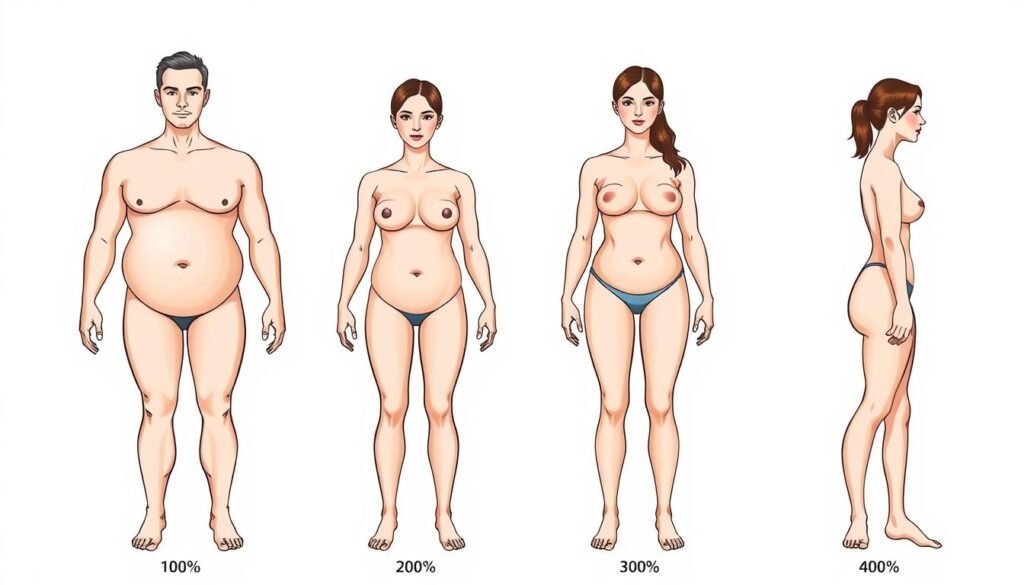
Why Body Fat Percentage Matters
Understanding your body fat percentage provides valuable insights beyond what a scale can tell you:
- More accurate assessment of health risks than weight alone
- Better indicator of fitness progress than scale weight
- Helps set realistic fitness and weight management goals
- Provides insights into metabolic health and hormone function
- Allows for more personalized nutrition and exercise planning
Methods for Measuring Body Fat
Several methods exist for measuring body fat, each with varying degrees of accuracy, convenience, and cost. Our calculator uses formulas based on these measurement techniques.
Circumference Measurements
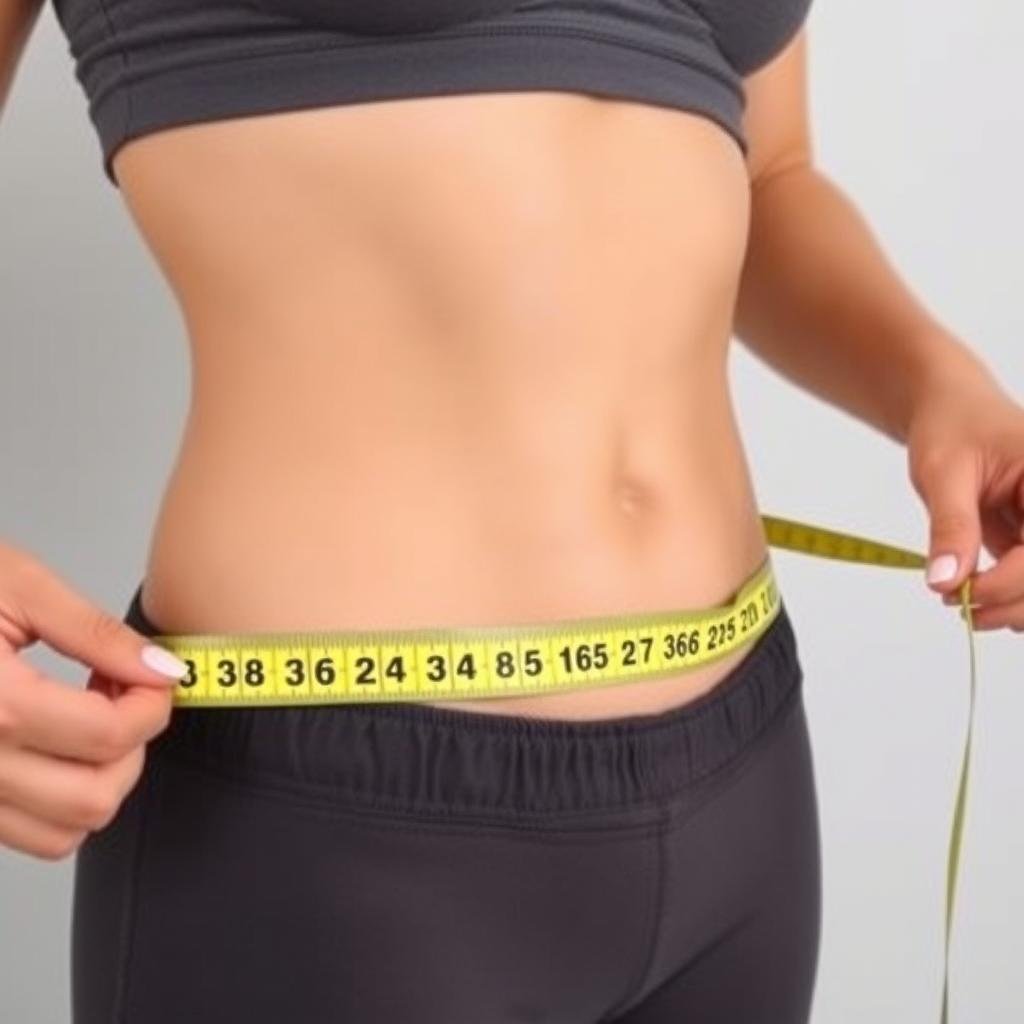
The U.S. Navy Method uses body circumference measurements to estimate body fat. It's simple, requires only a tape measure, and provides reasonably accurate results for most people.
Accuracy: ±3-4% for most individuals
Skinfold Measurements
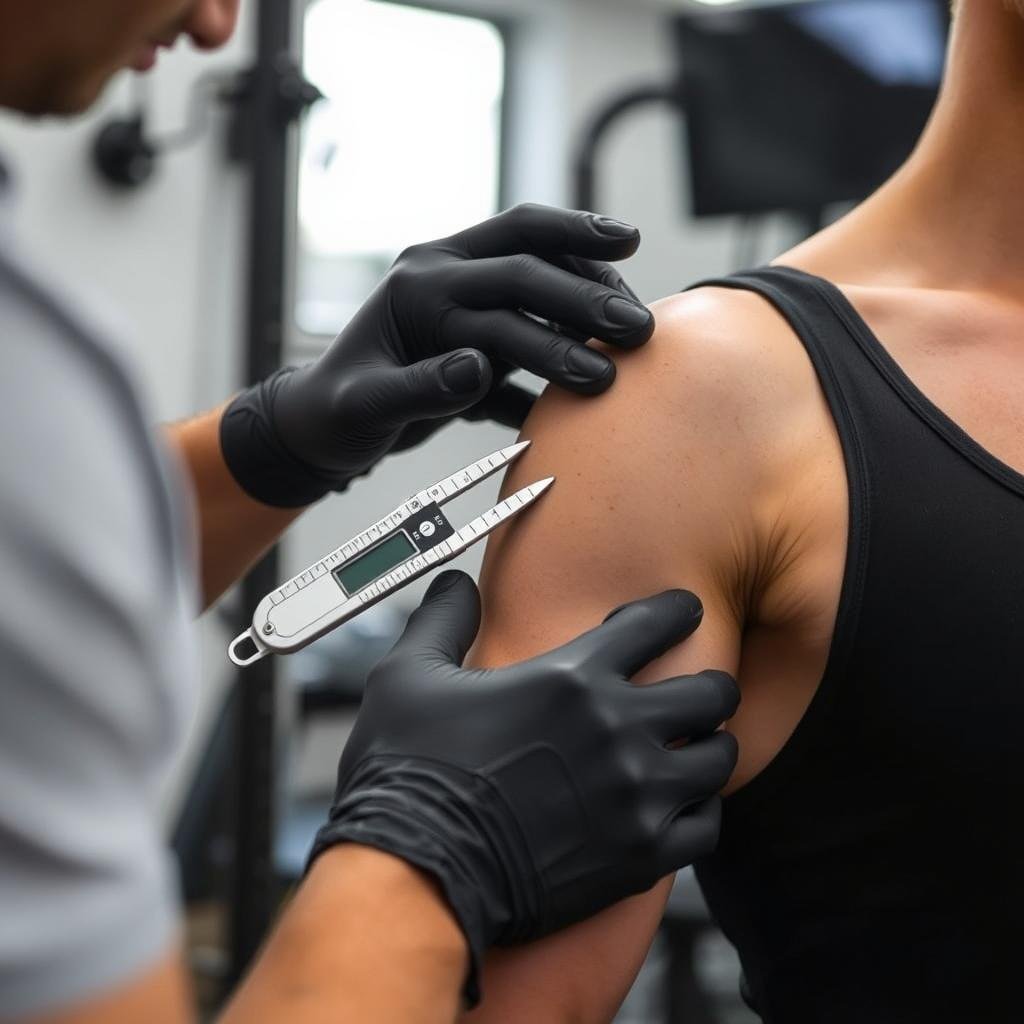
Skinfold measurements use calipers to measure the thickness of fat layers at specific body sites. The Jackson-Pollock method is commonly used in fitness settings.
Accuracy: ±3-5% when performed correctly
BMI-Based Estimation
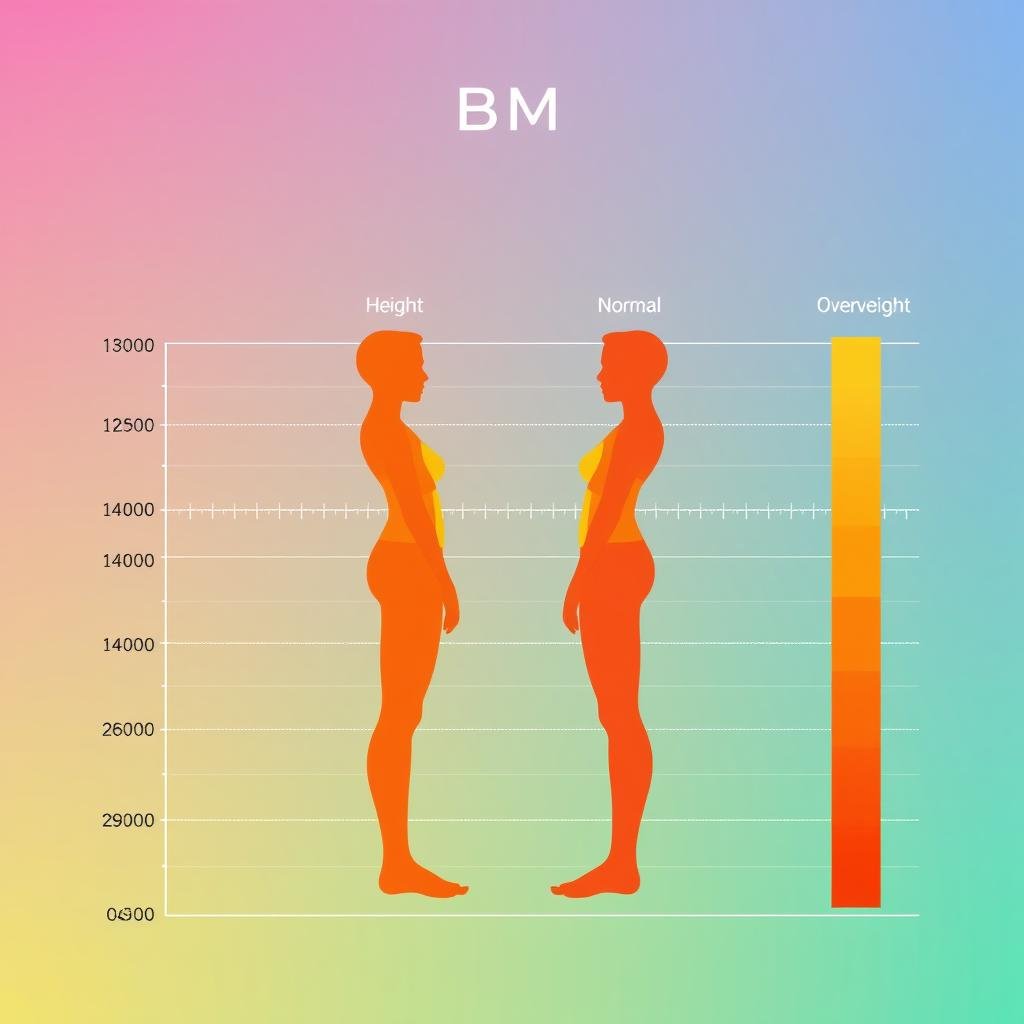
This method uses BMI along with age and gender to estimate body fat. It's less accurate but requires only height and weight measurements.
Accuracy: ±5-7% with significant variation
Advanced Measurement Methods
While our calculator uses accessible methods, these advanced techniques provide greater accuracy:
| Method | Accuracy | Availability | Cost | Notes |
| DEXA Scan | ±1-2% | Medical facilities | $50-$150 | Gold standard, uses X-ray technology |
| Hydrostatic Weighing | ±1.5-3% | Research facilities | $40-$100 | Underwater weighing based on density |
| Air Displacement (BodPod) | ±2-3% | Fitness centers, universities | $40-$75 | Measures air displacement in a sealed chamber |
| Bioelectrical Impedance | ±3-8% | Home scales, handheld devices | $30-$100 | Results vary with hydration levels |
How to Take Accurate Measurements
For the most reliable results from our calculator, follow these measurement guidelines carefully. Take all measurements in the morning before eating or drinking, and avoid measuring after exercise when body fluid levels may be altered.
U.S. Navy Method (Circumference)
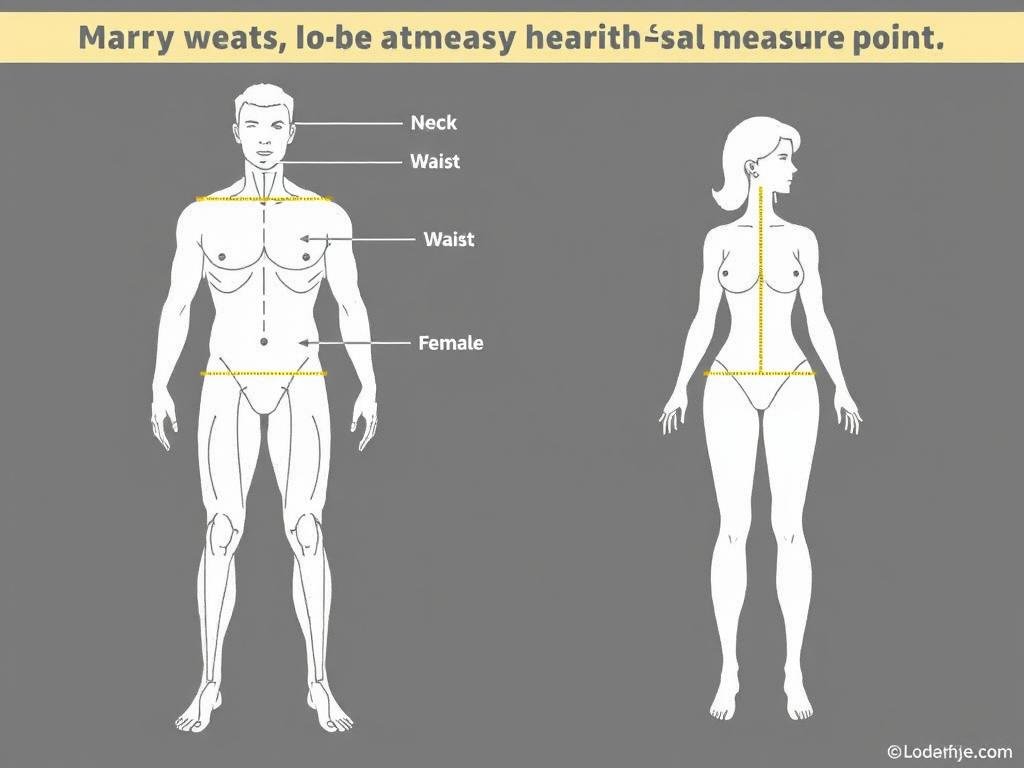
- Use a flexible, non-stretching measuring tape
- Neck: Measure just below the larynx (Adam's apple), with the tape perpendicular to the neck axis
- Waist: For men, measure at navel level. For women, measure at the narrowest point
- Hips (women only): Measure at the widest point around the buttocks
- Keep the tape snug but not tight enough to compress the skin
- Take each measurement twice and use the average
Skinfold Method
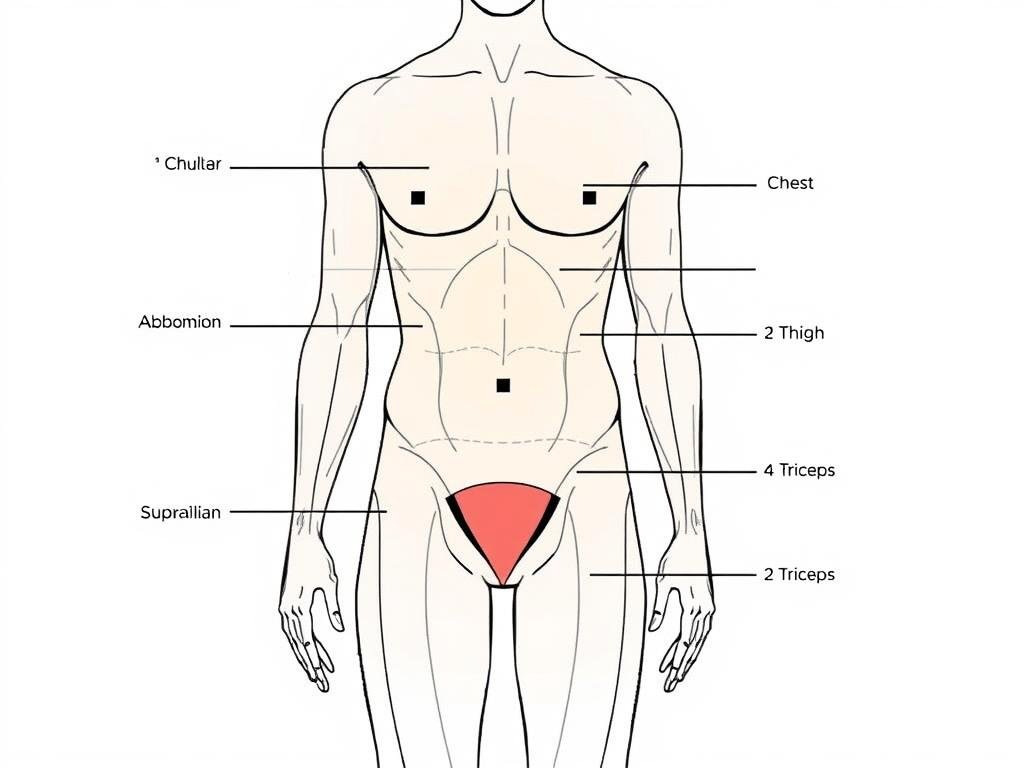
- Use quality skinfold calipers
- Pinch the skin and fat away from the muscle
- Place the calipers 1cm away from your fingers
- Take readings 2 seconds after applying the calipers
- Measure each site 2-3 times and use the average
- Men: Measure chest, abdomen, and thigh
- Women: Measure triceps, suprailiac (above hip), and thigh
Measurement Tips for Accuracy: Take measurements at the same time of day, preferably in the morning before eating. Wear minimal, thin clothing or measure directly on skin. Stand upright with feet together and arms at sides when measuring.
Understanding Your Body Fat Percentage Results
Once you've calculated your body fat percentage, use these reference charts to interpret your results. Remember that healthy ranges vary by age, gender, and fitness goals.
Body Fat Percentage Categories
| Category | Women | Men | Health Implications |
| Essential Fat | 10-13% | 2-5% | Minimum needed for basic physiological functions |
| Athletes | 14-20% | 6-13% | Typical for competitive athletes and fitness enthusiasts |
| Fitness | 21-24% | 14-17% | Lean, defined appearance with visible muscle tone |
| Average | 25-31% | 18-24% | Typical for general population, moderate health risk |
| Obese | 32%+ | 25%+ | Increased risk for health complications |
Age-Adjusted Ideal Body Fat Percentages
Body fat naturally increases with age. These ranges represent healthy targets by age group:
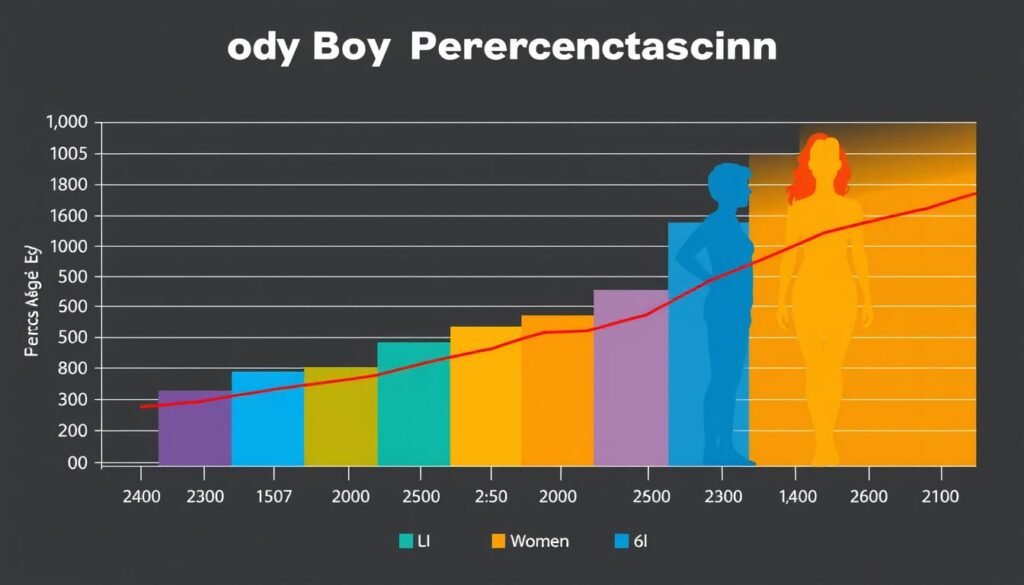
Remember that body fat percentage is just one health metric. Overall fitness, muscle strength, cardiovascular health, and metabolic markers are equally important indicators of wellbeing.
Body Fat Percentage vs. BMI
While BMI (Body Mass Index) is commonly used to assess weight status, body fat percentage provides a more accurate picture of health and fitness. Understanding the differences can help you set more appropriate health goals.
Body Fat Percentage Advantages
- Distinguishes between fat and lean mass
- Accounts for individual body composition
- Better indicator of health risks
- More useful for tracking fitness progress
- Identifies unhealthy fat distribution patterns
BMI Limitations
- Doesn't distinguish between fat and muscle
- Can misclassify muscular individuals as overweight
- Doesn't account for fat distribution
- Less accurate for athletes, elderly, and certain ethnic groups
- Doesn't reflect metabolic health
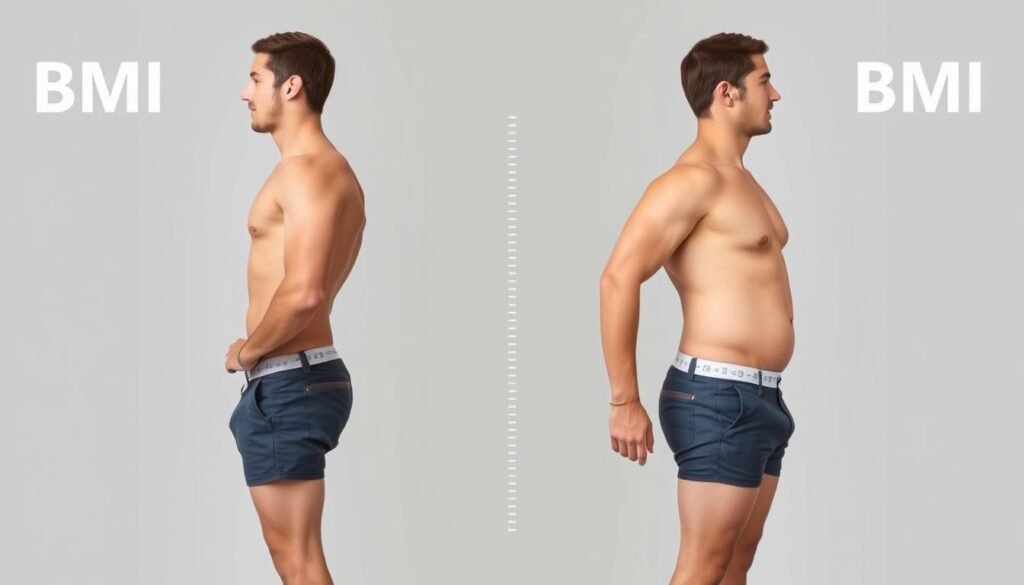
When BMI and Body Fat Percentage Disagree
It's common for BMI and body fat percentage to give different health classifications. For example, a muscular athlete might have a BMI in the "overweight" range but a body fat percentage in the "athletic" category. Conversely, someone with normal BMI but high body fat percentage (sometimes called "skinny fat") may have hidden health risks despite appearing to be at a healthy weight.
Which to Use? For general population screening, BMI provides a quick assessment. For individuals serious about fitness or with atypical body compositions, body fat percentage offers more valuable insights. When possible, use both metrics alongside other health markers for a complete picture.
How to Improve Your Body Fat Percentage
If your body fat percentage is higher than ideal, implementing strategic lifestyle changes can help you achieve a healthier composition. Focus on sustainable approaches rather than quick fixes.
Nutrition Strategies
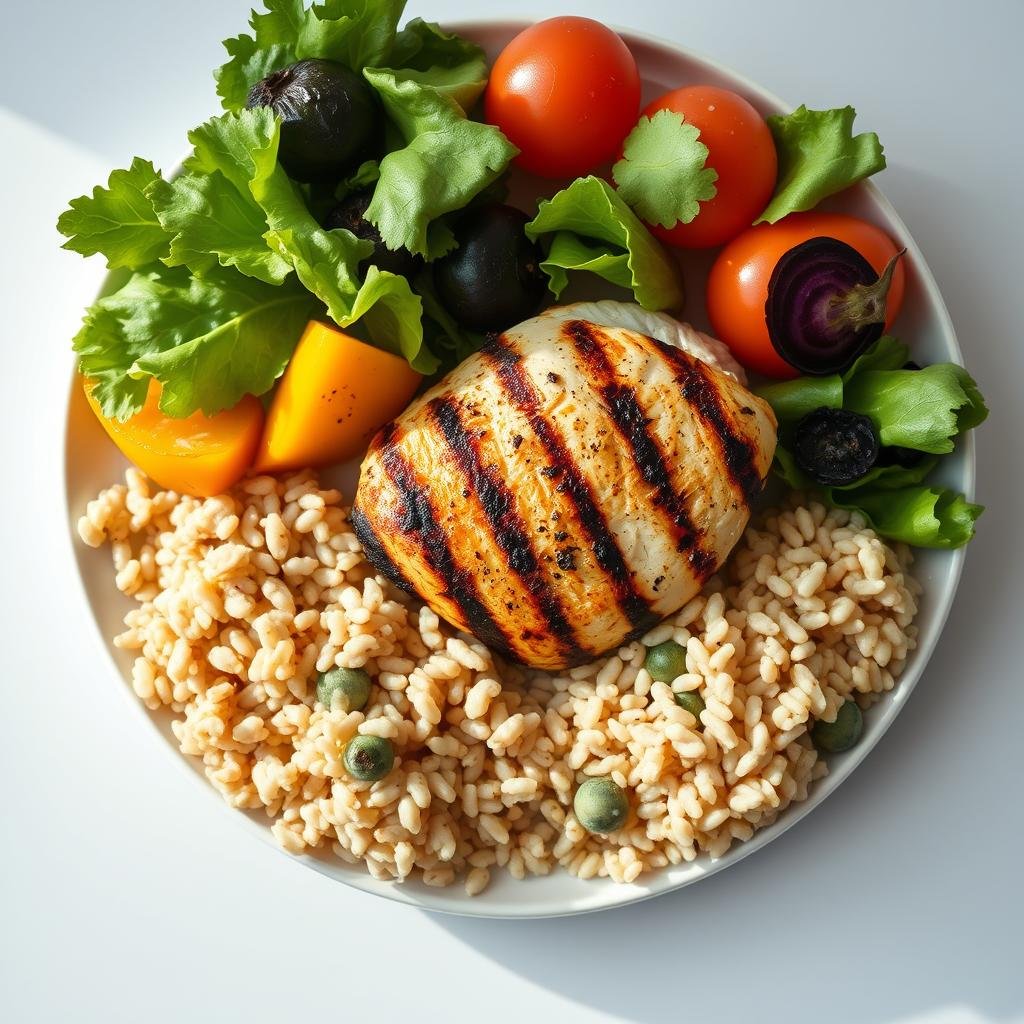
- Create a moderate calorie deficit (250-500 calories/day)
- Prioritize protein (0.7-1g per pound of body weight)
- Include healthy fats from avocados, nuts, and olive oil
- Choose complex carbohydrates over refined options
- Stay hydrated with water instead of sugary drinks
- Practice portion control using hand measurements
Exercise Approaches
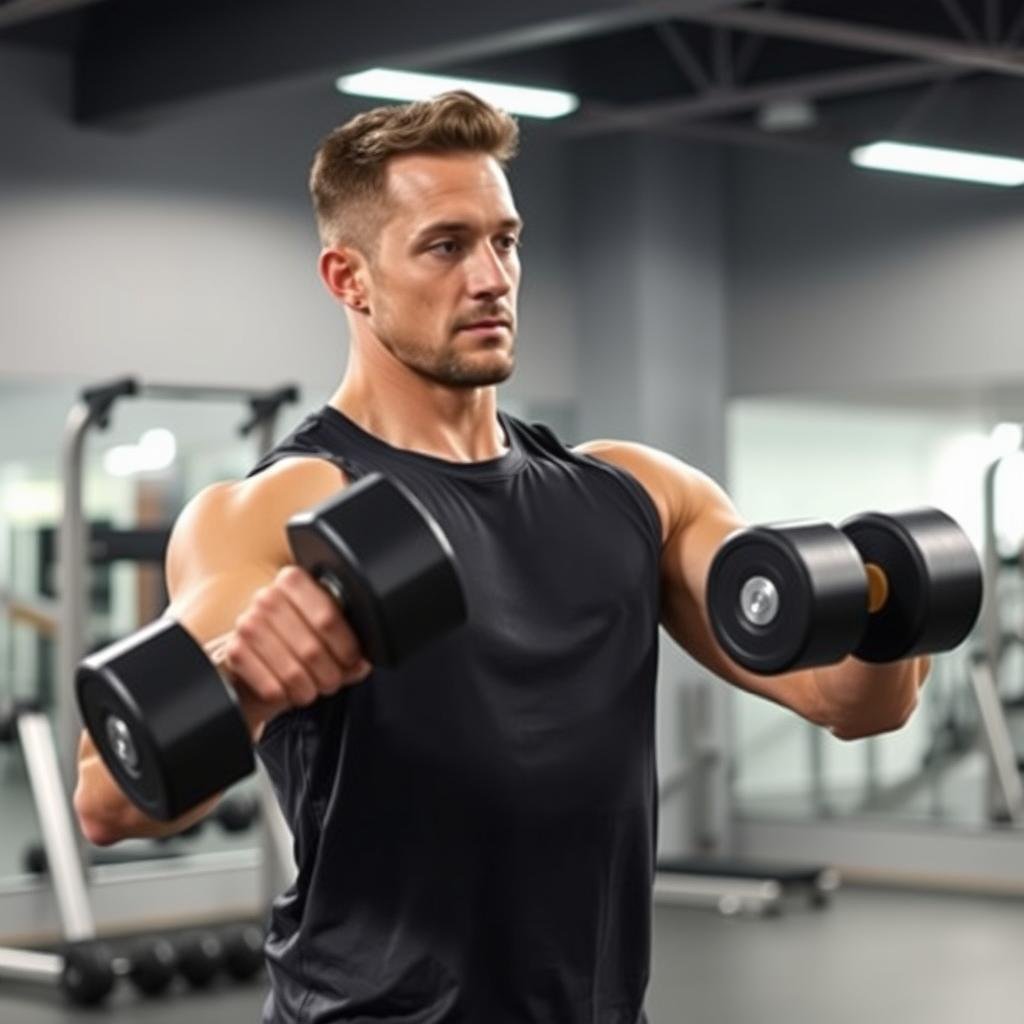
- Incorporate resistance training 2-4 times weekly
- Include compound movements (squats, deadlifts, presses)
- Add high-intensity interval training (HIIT) 1-2 times weekly
- Maintain moderate-intensity cardio for heart health
- Increase daily movement (10,000+ steps)
- Allow adequate recovery between intense workouts
Lifestyle Factors

- Prioritize 7-9 hours of quality sleep
- Manage stress through meditation or mindfulness
- Limit alcohol consumption
- Stay consistent with habits on weekends
- Track progress using measurements, not just scale weight
- Be patient—aim for 0.5-1% body fat reduction per month
Important: Extremely low body fat levels (below essential fat) can cause hormonal disruptions, compromised immune function, and other health problems. Focus on achieving a healthy range rather than the lowest possible percentage.
Sample Weekly Plan for Reducing Body Fat
| Day | Exercise | Nutrition Focus | Recovery/Lifestyle |
| Monday | Resistance training: Upper body | High protein, moderate carbs | 8 hours sleep, 10,000 steps |
| Tuesday | HIIT: 20 minutes | Slight calorie deficit, focus on fiber | Stress management practice |
| Wednesday | Resistance training: Lower body | Higher carbs, protein-rich meals | Limit screen time before bed |
| Thursday | Active recovery: Walking, light yoga | Focus on vegetables and lean protein | Foam rolling, stretching |
| Friday | Resistance training: Full body | Balanced macros, hydration | Quality sleep focus |
| Saturday | Longer cardio session (30-45 min) | Mindful eating, portion control | Outdoor activity, social connection |
| Sunday | Complete rest or light activity | Meal prep for week, balanced meals | Full recovery day, relaxation |
When to Consult Healthcare Professionals
While monitoring body fat percentage can be valuable for health and fitness goals, certain situations warrant professional guidance. Consider consulting healthcare providers in these circumstances:
Medical Concerns
- Body fat percentage in the obese category (32%+ for women, 25%+ for men)
- Rapid unexplained changes in body composition
- Extremely low body fat (below essential levels)
- Symptoms of metabolic disorders despite healthy body fat
- Family history of obesity-related conditions
- Difficulty losing fat despite appropriate interventions
Special Populations
- Pregnant or breastfeeding women
- Children and adolescents
- Adults over 65 years
- Those with eating disorders or disordered eating patterns
- Individuals with certain chronic conditions
- Competitive athletes with specific body composition goals

Professional Resources
These specialists can provide expert guidance on body composition:
- Registered Dietitian: For personalized nutrition planning
- Exercise Physiologist: For tailored fitness programming
- Endocrinologist: For hormone-related concerns affecting body composition
- Sports Medicine Physician: For athletes with specific body composition goals
- Primary Care Physician: For general health assessment and referrals
Conclusion: Understanding Your Body Composition Journey
Body fat percentage is a valuable metric that provides insights into your health and fitness that scale weight alone cannot offer. By using our Body Fat Calculator regularly and understanding how to interpret the results, you can make informed decisions about your nutrition, exercise, and overall wellness approach.
Remember that healthy body composition looks different for everyone based on age, gender, genetics, and individual goals. Focus on gradual, sustainable improvements rather than drastic changes, and celebrate non-scale victories like increased energy, better-fitting clothes, and improved strength.
Whether you're starting a fitness journey, fine-tuning your athletic performance, or simply curious about your health status, monitoring your body fat percentage can provide valuable feedback to guide your decisions and track your progress over time.