
Use our Pediatric BMI Calculator to determine your child’s Body Mass Index and healthy weight range. Monitor growth and support healthy development easily.
Your Pediatric BMI Report
Basic Information
Age:
Gender:
Height:
Weight:
BMI Results
BMI:
Category:
Health Insights
Recommendations
Monitoring your child's growth is an essential part of ensuring their overall health and development. The Pediatric BMI Calculator is a valuable tool that helps parents and healthcare providers screen for potential weight issues in children. Unlike adult BMI calculations, pediatric BMI takes into account a child's age and gender, providing a more accurate assessment of their growth pattern. This guide will help you understand what BMI means for children, how to calculate and interpret it, and when to seek professional guidance.
What is BMI and Why is it Important for Children?
Pediatricians use BMI charts to track children's growth patterns over time
Body Mass Index (BMI) is a screening tool that estimates body fat based on a person's height and weight. For children and teens, BMI is age and gender-specific, often referred to as "BMI-for-age." This distinction is crucial because children's body composition changes as they grow, and boys and girls develop differently.
Monitoring your child's BMI helps identify potential weight concerns early. Research shows that children with unhealthy weight patterns are more likely to experience weight-related health issues as adults. Regular BMI tracking allows for timely interventions if needed.
The Centers for Disease Control and Prevention (CDC) recommends using BMI as a screening tool for children beginning at age 2. However, it's important to remember that BMI is not a diagnostic tool but rather an indicator that may suggest the need for further assessment.
Ready to Check Your Child's BMI?
Use our simple calculator to determine your child's BMI percentile and understand what it means for their health.
How Pediatric BMI Calculations Differ from Adult BMI
Adult BMI uses fixed thresholds to categorize weight status (underweight, normal weight, overweight, and obese). In contrast, pediatric BMI uses percentiles that compare a child's BMI to other children of the same age and gender.
This percentile-based approach accounts for the normal changes in body fat that occur as children grow. A healthy weight for a 5-year-old differs significantly from that of a 15-year-old, even at the same height.
Key Differences in Pediatric BMI:
- Uses age and gender-specific percentiles
- Accounts for normal developmental changes
- Compares to reference population of same age and gender
- Categories are based on percentile ranges rather than fixed BMI values
- Requires growth charts for proper interpretation
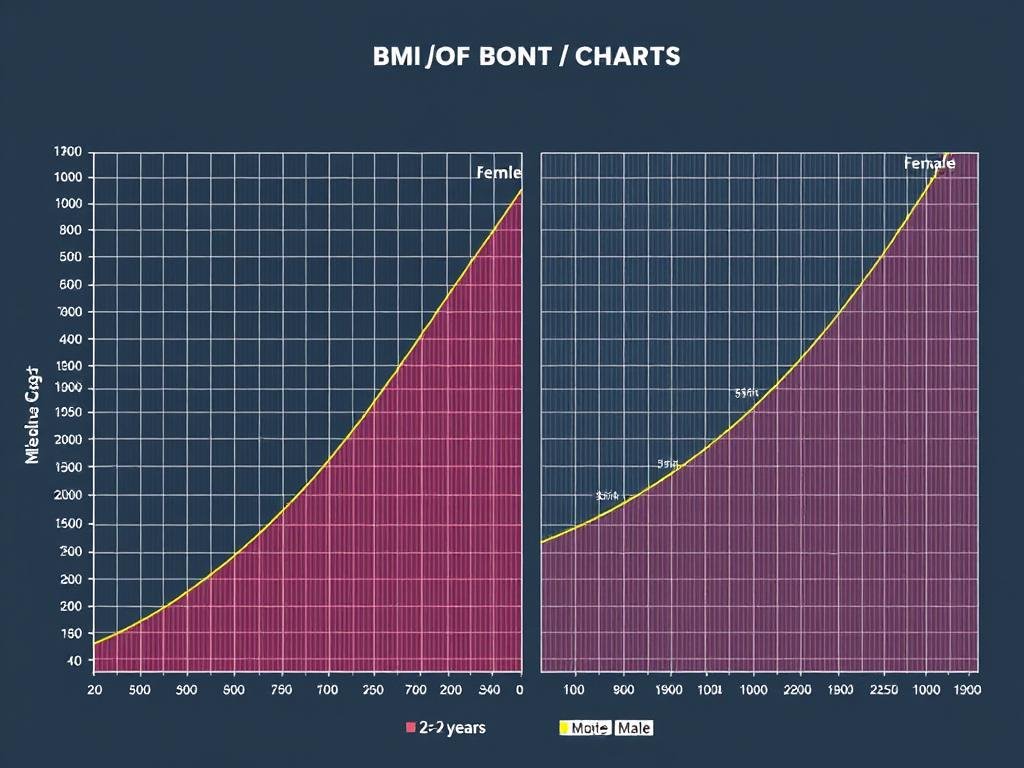
Pediatric BMI Categories Based on Percentiles
| Weight Status Category | Percentile Range | What It Means |
| Underweight | Less than the 5th percentile | Child may not be getting adequate nutrition or might have an underlying health condition |
| Healthy Weight | 5th percentile to less than the 85th percentile | Child's weight is appropriate for their height, age, and gender |
| Overweight | 85th to less than the 95th percentile | Child may be at risk for developing weight-related health problems |
| Obese | Equal to or greater than the 95th percentile | Child has excess body fat and is at increased risk for health problems |
How to Use a Pediatric BMI Calculator

Using a pediatric BMI calculator is simple and helps track your child's growth over time
Using a pediatric BMI calculator is straightforward. You'll need accurate measurements of your child's height and weight, along with their age and gender. Follow these steps to calculate your child's BMI:
Step-by-Step Instructions:
- Measure your child's height in inches or centimeters
- Weigh your child in pounds or kilograms
- Enter your child's age (in years and months for greater accuracy)
- Select your child's gender
- Input these values into the calculator
- Review the calculated BMI value and percentile
Measurement Tips: For the most accurate results, measure your child's height without shoes and weight with minimal clothing. If possible, use the same scale and measuring device each time to track changes consistently.
Example Calculation
Let's consider an 8-year-old girl who is 50 inches tall and weighs 62 pounds:
- BMI Formula: (Weight in pounds × 703) ÷ (Height in inches)²
- Calculation: (62 × 703) ÷ (50 × 50) = 43,586 ÷ 2,500 = 17.4
- BMI Value: 17.4 kg/m²
- Percentile: 77th percentile (based on CDC growth charts for girls)
- Interpretation: Healthy weight range
Interpreting Your Child's BMI Results

Understanding your child's BMI percentile is key to interpreting the results correctly. Remember that BMI is a screening tool, not a diagnostic test. A single BMI measurement provides a snapshot of your child's current status, but tracking BMI over time offers more valuable insights into growth patterns.
Underweight (Below 5th Percentile)
A BMI below the 5th percentile suggests your child may be underweight. This could be due to their natural body type, but it might also indicate nutritional deficiencies or underlying health conditions.
Action: Consult with your child's healthcare provider to rule out medical causes and discuss appropriate nutrition.
Healthy Weight (5th to 85th Percentile)
A BMI between the 5th and 85th percentiles indicates your child is at a healthy weight for their age and gender. This suggests a good balance between calorie intake and physical activity.
Action: Continue to encourage healthy eating habits and regular physical activity.
Overweight/Obese (Above 85th Percentile)
A BMI at or above the 85th percentile suggests your child may be overweight, while a BMI at or above the 95th percentile indicates obesity. This may increase the risk of health problems.
Action: Consult with your child's healthcare provider for a complete evaluation and guidance.
Tracking BMI Changes Over Time
A single BMI measurement is less informative than tracking changes over time. Pay attention to significant shifts in your child's BMI percentile, as these may indicate potential health concerns:
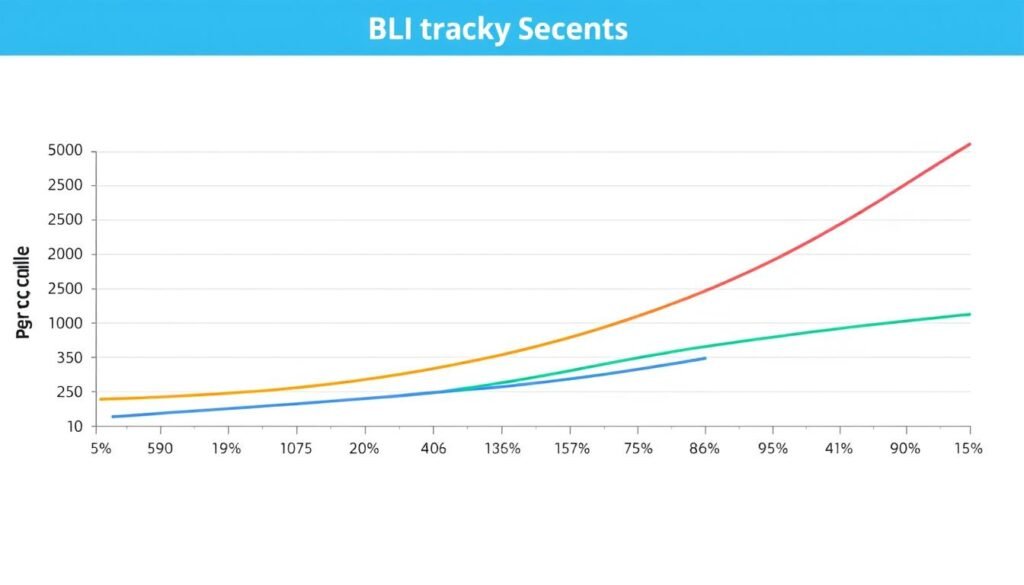
Tracking BMI percentiles over time helps identify concerning trends in a child's growth pattern
Warning Sign: If your child's BMI percentile is steadily increasing over time (for example, from the 50th percentile at age 5 to the 75th at age 7 and the 85th at age 9), this "upward crossing" of percentile lines may indicate a potential weight issue developing, even if the current BMI is still in a healthy range.
Need Help Interpreting Your Child's BMI?
BMI results can sometimes be confusing. A healthcare professional can provide personalized guidance based on your child's overall health and development.
Limitations of BMI as a Health Indicator for Children

While BMI is a useful screening tool, it has several limitations that parents and healthcare providers should understand:
BMI Strengths
- Simple and non-invasive screening method
- Correlates with body fat in most children
- Helps track growth patterns over time
- Widely used and understood by healthcare providers
- Good predictor of future weight-related health risks
BMI Limitations
- Doesn't directly measure body fat
- May misclassify muscular children as overweight
- Doesn't account for differences in body composition
- Cannot distinguish between fat, muscle, and bone mass
- May not be accurate for all ethnic groups
Special Considerations
BMI calculations may be less accurate for certain groups of children:
Athletic Children
Children who are very physically active or involved in sports may have higher muscle mass, which can increase their BMI even though they have healthy body fat levels. A muscular child might be incorrectly classified as overweight based solely on BMI.
Children of Different Ethnicities
BMI thresholds were developed primarily based on data from white children. Research suggests that children from different ethnic backgrounds may have different body compositions at the same BMI, potentially affecting the accuracy of weight status classifications.
"BMI is a screening tool, not a diagnostic tool. A high BMI can be an indicator of high body fatness, but to determine if excess fat is a problem, a healthcare provider would need to perform further assessments."

Healthcare providers often use additional assessments beyond BMI to evaluate a child's health
When to Consult a Healthcare Professional
While BMI is a helpful screening tool, there are specific situations when you should consult your child's healthcare provider about BMI results:
- BMI below the 5th percentile or above the 85th percentile
- Significant changes in BMI percentile over a short period
- Crossing two or more major percentile lines on the growth chart
- Concerns about your child's growth, eating habits, or physical development
- Family history of obesity, diabetes, or other weight-related conditions
- Your child is very athletic with high muscle mass
Remember: A healthcare provider can perform additional assessments such as skinfold thickness measurements, evaluations of diet and physical activity, family history reviews, and other tests to provide a more complete picture of your child's health beyond what BMI alone can tell you.
Track Your Child's Growth Over Time
Regular monitoring of your child's BMI can help identify potential concerns early. Download a growth chart to track your child's measurements at home.
Practical Tips for Maintaining a Healthy Weight in Children

Involving children in meal preparation helps establish healthy eating habits
Regardless of your child's current BMI, these evidence-based strategies can help promote healthy weight and overall wellbeing:
Nutrition Tips
- Offer a variety of fruits, vegetables, whole grains, and lean proteins
- Limit sugary beverages and encourage water as the primary drink
- Serve appropriate portion sizes for your child's age
- Eat meals together as a family whenever possible
- Avoid using food as a reward or punishment
- Involve children in meal planning and preparation
Physical Activity Tips
- Aim for at least 60 minutes of physical activity daily
- Make physical activity fun and age-appropriate
- Limit screen time to no more than 1-2 hours of recreational time daily
- Encourage outdoor play and family activities
- Support participation in sports or other physical activities
- Be a positive role model by being physically active yourself

Regular physical activity as a family promotes healthy habits and strengthens relationships
"Focus on creating healthy habits rather than focusing on weight. Children are still growing, and the goal is to support that growth with good nutrition and regular physical activity."
Learn More About Healthy Weight Management
Discover evidence-based strategies for supporting your child's healthy growth and development.
Conclusion: BMI as Part of Your Child's Health Journey
The Pediatric BMI Calculator is a valuable screening tool that can help you monitor your child's growth and development. By understanding how to calculate, interpret, and track BMI over time, you can play an active role in supporting your child's health.
Remember that BMI is just one piece of the health puzzle. A comprehensive approach to your child's wellbeing includes balanced nutrition, regular physical activity, adequate sleep, and positive mental health support. When used appropriately and in consultation with healthcare providers, BMI can be part of a holistic strategy to help children grow into healthy adults.
If you have concerns about your child's weight or growth pattern, don't hesitate to consult with a healthcare professional who can provide personalized guidance based on your child's unique needs and circumstances.
How often should I check my child's BMI?
Most healthcare providers check BMI at regular well-child visits, typically once a year. More frequent monitoring may be recommended if there are concerns about your child's growth pattern or weight status.
Can BMI predict my child's future health?
While BMI alone cannot predict future health with certainty, research shows that children with consistently high BMI are more likely to have weight-related health issues as adults. However, many factors influence health outcomes, including genetics, lifestyle, and environment.
Should I put my child on a diet if their BMI is high?
Restrictive diets are generally not recommended for children. Instead, focus on gradual improvements to eating habits and physical activity levels. Always consult with a healthcare provider before making significant changes to your child's diet or exercise routine.