
Use our BMI Calculator Men to quickly find your Body Mass Index, ideal weight, and health category. Track your fitness and maintain a healthy lifestyle.
Your Comprehensive Health Report
Basic Information
Age:
Gender:
Height:
Weight:
BMI Results
BMI:
Category:
Ideal Weight Range:
Energy & Metabolism
BMR: calories/day
TDEE: calories/day
Body Composition
Body Fat %:
Waist-to-Hip Ratio:
WHR Category:
Health Insights
Recommendations
For men concerned about their health and fitness, knowing your Body Mass Index (BMI) provides valuable insights into your weight status. While BMI isn't a perfect measure, especially for muscular men, it offers a quick assessment of potential health risks related to weight. This guide explains how BMI works specifically for men, its limitations, and how to use this information to make informed health decisions.

What is BMI and Why It Matters for Men's Health
Body Mass Index (BMI) is a numerical value calculated from your height and weight. It was developed as a simple screening tool to identify potential weight problems in large populations. For men, maintaining a healthy BMI is associated with reduced risk of serious health conditions including heart disease, type 2 diabetes, and certain cancers.
BMI serves as an initial assessment that can indicate whether you're at a healthy weight for your height. While it doesn't directly measure body fat or account for muscle mass, it provides a useful starting point for health conversations with your doctor.
Men with BMIs outside the normal range may face increased health risks. Those with high BMIs might experience elevated blood pressure, cholesterol issues, and increased strain on joints. Conversely, very low BMIs can indicate nutritional deficiencies or other health concerns.
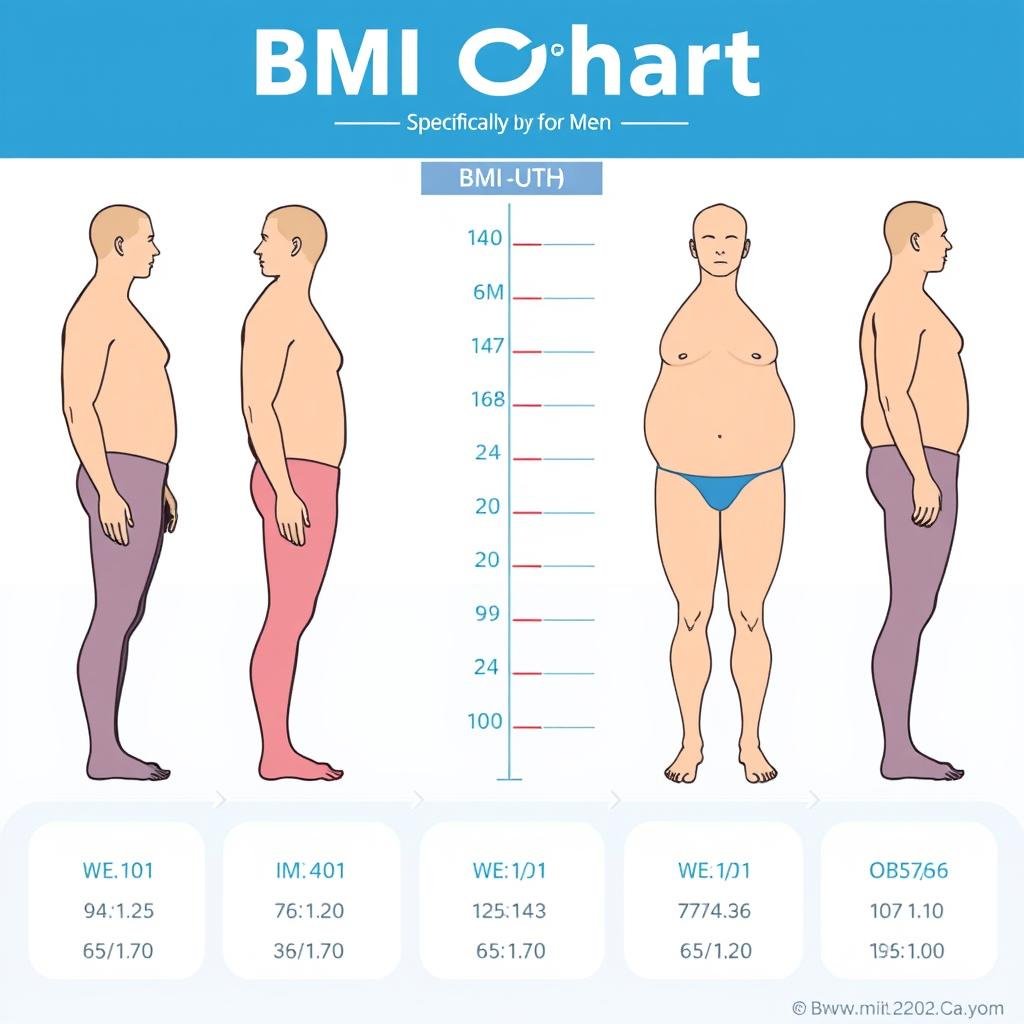
How to Calculate BMI for Men
The BMI formula is the same for both men and women, though interpretation may differ based on factors like muscle mass and age. Here's how to calculate your BMI:
BMI Formula
For measurements in pounds and inches (US units):
BMI = (Weight in pounds × 703) ÷ (Height in inches)²
For measurements in kilograms and meters (metric units):
BMI = Weight in kilograms ÷ (Height in meters)²
Example Calculation
For a man who is 5'10" (70 inches) tall and weighs 160 pounds:
BMI = (160 × 703) ÷ (70 × 70) = 112,480 ÷ 4,900 = 23.0
This BMI of 23.0 falls within the normal weight range.
Calculate Your BMI Now
Use our simple calculator to find your BMI and understand what it means for your health.

BMI Categories for Men
BMI values are grouped into categories that indicate whether a person is underweight, normal weight, overweight, or obese. These categories are generally the same for men and women, though interpretation may vary based on individual factors.
| BMI Range | Weight Category | Health Risk |
| Below 18.5 | Underweight | Increased risk of nutritional deficiencies, weakened immune system |
| 18.5 - 24.9 | Normal weight | Lowest risk for weight-related health problems |
| 25.0 - 29.9 | Overweight | Increased risk of heart disease, diabetes, hypertension |
| 30.0 - 34.9 | Obesity (Class I) | High risk of weight-related health problems |
| 35.0 - 39.9 | Obesity (Class II) | Very high risk of weight-related health problems |
| 40.0 and above | Obesity (Class III) | Extremely high risk of serious health conditions |

Limitations of BMI for Men
While BMI is a useful screening tool, it has several important limitations, especially for men. Understanding these limitations helps you interpret your BMI results more accurately.
BMI Strengths
- Quick and easy calculation
- No specialized equipment needed
- Good population-level screening tool
- Correlates with body fat for most people
- Widely used and understood by healthcare providers
BMI Limitations
- Doesn't distinguish between muscle and fat
- May overestimate body fat in athletes and muscular men
- May underestimate body fat in older men with muscle loss
- Doesn't account for fat distribution patterns
- Doesn't consider ethnic and racial differences
The Muscle Mass Consideration
For men who strength train regularly or have athletic builds, BMI can be misleading. Muscle weighs more than fat, so muscular men may have higher BMIs despite having healthy body fat percentages. For example, many professional athletes and bodybuilders fall into the "overweight" or even "obese" categories according to BMI, despite being in excellent physical condition.

Important Note for Men: If you're athletic or have a muscular build, consider combining BMI with other measurements like waist circumference, body fat percentage, or waist-to-height ratio for a more accurate health assessment.
Health Implications of Different BMI Ranges for Men
Your BMI can provide insights into potential health risks. Here's what different BMI ranges might mean for men's health:
Underweight (BMI
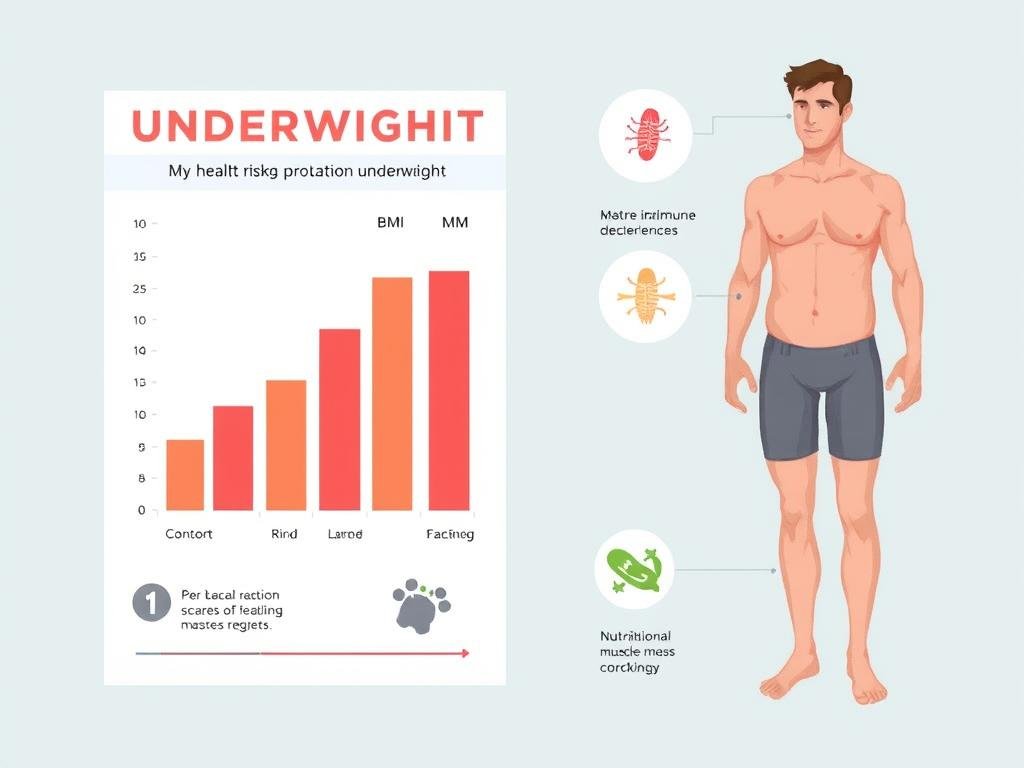
Being underweight can lead to:
- Nutritional deficiencies
- Weakened immune system
- Decreased muscle mass
- Reduced testosterone levels
- Increased risk of osteoporosis
Overweight (BMI 25-29.9)
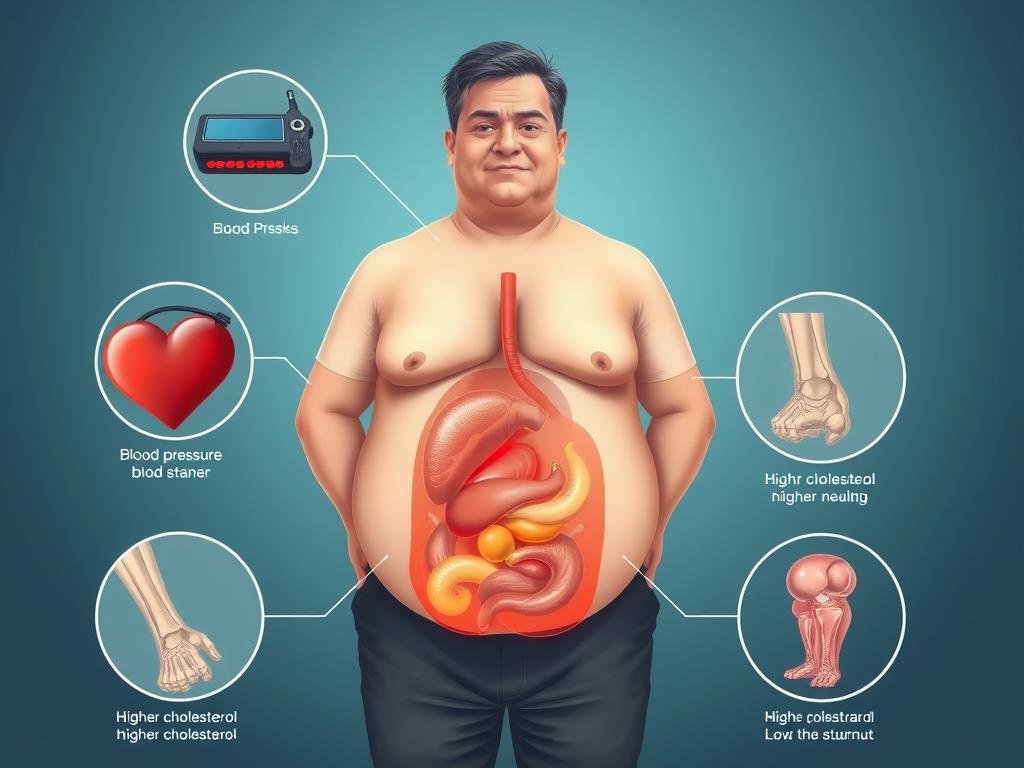
Being overweight increases risk of:
- High blood pressure
- Type 2 diabetes
- Heart disease
- Sleep apnea
- Joint problems
Obese (BMI ≥ 30)

Obesity significantly increases risk of:
- Coronary heart disease
- Stroke
- Certain cancers
- Metabolic syndrome
- Erectile dysfunction
Concerned About Your BMI Results?
If your BMI falls outside the normal range, consider consulting with a healthcare professional for personalized advice.
Step-by-Step Guide to Calculate Your BMI Manually
While online calculators are convenient, knowing how to calculate BMI manually can be useful. Follow these simple steps:
Imperial Method (pounds & inches)
- Measure your weight in pounds
- Measure your height in inches
- Square your height (multiply it by itself)
- Divide your weight by the squared height
- Multiply the result by 703
Example: For a man weighing 180 pounds at 5'11" (71 inches):
BMI = (180 ÷ (71 × 71)) × 703 = (180 ÷ 5,041) × 703 = 0.0357 × 703 = 25.1
Metric Method (kilograms & meters)
- Measure your weight in kilograms
- Measure your height in meters
- Square your height (multiply it by itself)
- Divide your weight by the squared height
Example: For a man weighing 82 kilograms at 1.80 meters:
BMI = 82 ÷ (1.80 × 1.80) = 82 ÷ 3.24 = 25.3

When Men Should Consult Healthcare Professionals About BMI
While BMI provides useful information, certain situations warrant professional medical advice:
Consult a Doctor If:
- Your BMI is below 18.5 (underweight)
- Your BMI is 30 or higher (obese)
- You're very muscular but concerned about your BMI
- You've experienced rapid weight changes
- You have other health conditions affected by weight
- You're planning significant lifestyle changes

Important: BMI is just one health indicator. A healthcare professional can provide a comprehensive assessment considering your medical history, body composition, lifestyle, and other health markers.
Alternative Health Metrics Men Should Consider Alongside BMI
For a more complete picture of your health, consider these measurements in addition to BMI:
Waist Circumference

For men, a waist circumference greater than 40 inches (102 cm) indicates increased health risk, regardless of BMI. This measures abdominal fat, which is particularly dangerous for men.
How to measure: Place the tape measure around your waist at the level of your navel while standing relaxed.
Waist-to-Height Ratio
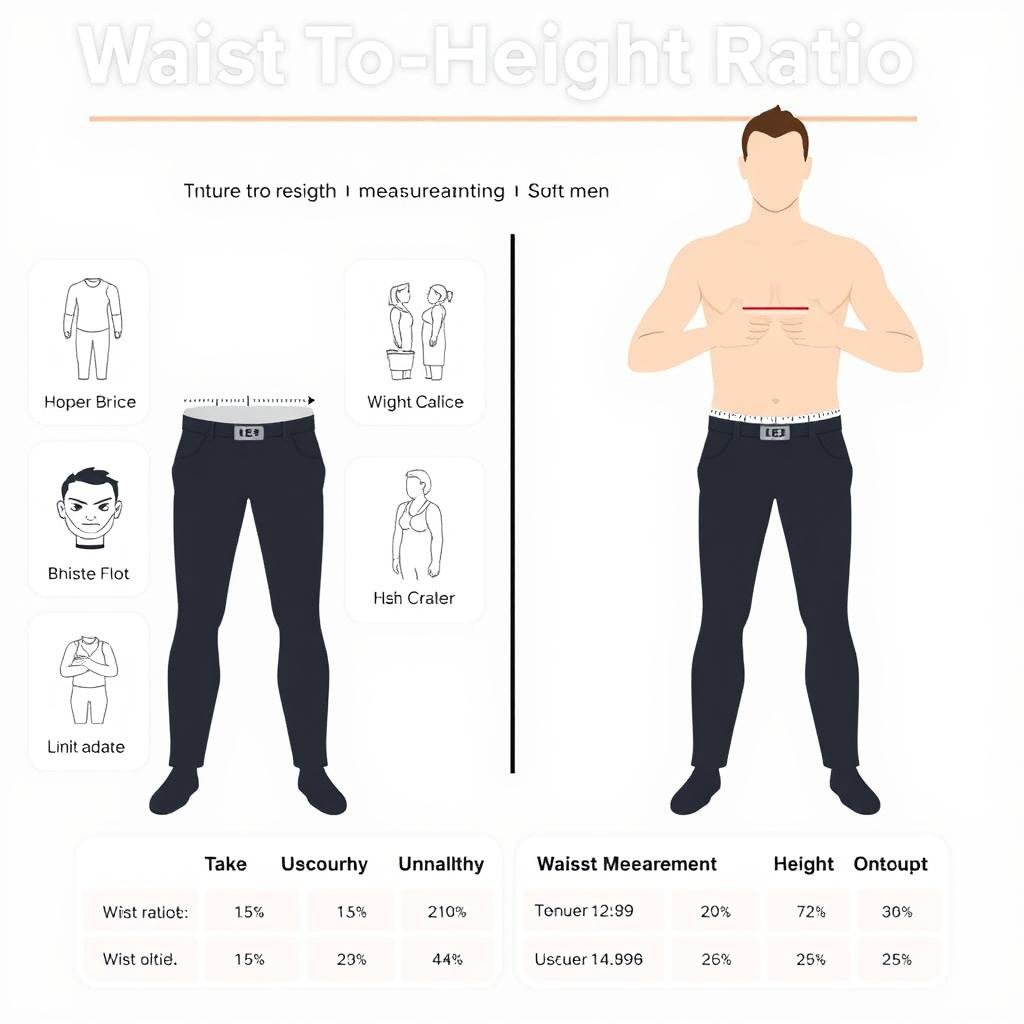
Your waist circumference should be less than half your height. This simple ratio accounts for different body frames.
Calculation: Divide your waist circumference by your height (using the same units). A ratio below 0.5 is considered healthy for most men.
Body Fat Percentage

Healthy body fat percentages for men typically range from 10-20% depending on age and fitness level.
Measurement methods: Skinfold calipers, bioelectrical impedance scales, DEXA scans, or hydrostatic weighing provide more accurate body composition data than BMI.
Get a Complete Body Composition Analysis
For the most accurate assessment of your health status, consider professional body composition testing.
Tips for Men to Maintain a Healthy Weight and BMI
If your goal is to achieve or maintain a healthy BMI, consider these practical strategies:
Nutrition Strategies
- Focus on protein intake: Men typically need more protein to maintain muscle mass. Aim for 0.8-1.0g of protein per pound of target body weight.
- Control portion sizes: Use smaller plates and be mindful of serving sizes, especially when dining out.
- Limit processed foods: Choose whole foods like lean meats, fish, vegetables, fruits, and whole grains.
- Stay hydrated: Sometimes thirst is mistaken for hunger. Drink water before meals.
- Plan meals: Prepare healthy meals in advance to avoid impulsive food choices.
Exercise Recommendations
- Strength training: Include resistance exercises 2-3 times weekly to build and maintain muscle mass.
- Cardiovascular activity: Aim for at least 150 minutes of moderate-intensity activity per week.
- High-intensity interval training (HIIT): Efficient for burning calories and improving fitness.
- Daily movement: Increase non-exercise activity by taking stairs, walking more, and reducing sitting time.
- Recovery: Allow adequate rest between workouts and prioritize sleep for hormone balance.

How quickly should men aim to change their BMI?
Healthy, sustainable weight change is typically 1-2 pounds per week. Rapid weight loss or gain can be unhealthy and difficult to maintain. Focus on consistent, moderate changes to diet and exercise habits rather than extreme approaches.
Should older men use the same BMI targets as younger men?
Some research suggests that for men over 65, a slightly higher BMI (between 25-27) may actually be protective. As men age, maintaining some weight reserve can be beneficial during illness. Consult with your healthcare provider about appropriate weight goals for your age.
How does muscle building affect BMI for men?
Adding muscle mass will increase your weight and potentially your BMI, even as your body fat percentage decreases. This is why athletic men often have BMIs in the "overweight" range despite being very fit. If you're actively building muscle, track body fat percentage and waist circumference alongside BMI.
Understanding Your BMI as Part of Your Overall Health
BMI provides a useful starting point for assessing weight-related health risks, but it's just one piece of the puzzle. For men especially, considering body composition, fat distribution, and other health markers alongside BMI offers a more complete picture.
Remember that health is multifaceted—physical activity levels, diet quality, sleep, stress management, and regular medical check-ups all contribute to your overall wellbeing. Use your BMI as one tool among many to monitor and improve your health.
Take Control of Your Health Today
Calculate your BMI, understand what it means, and take positive steps toward your health goals.