
Use our BMI Calculator Elderly to assess healthy weight ranges for seniors. Understand how age affects BMI and maintain optimal health and well-being in older adults.
Your Comprehensive Health Report
Basic Information
Age:
Gender:
Height:
Weight:
BMI Results
BMI:
Category:
Ideal Weight Range:
Energy & Metabolism
BMR: calories/day
TDEE: calories/day
Body Composition
Body Fat %:
Waist-to-Hip Ratio:
WHR Category:
Health Insights
Recommendations
Standard BMI calculations don't tell the whole story for adults over 65. As we age, our body composition naturally changes—muscle mass decreases, bone density reduces, and fat distribution shifts. These changes mean that traditional BMI ranges developed for younger adults may not accurately reflect health risks in seniors. Our specialized BMI calculator for elderly individuals accounts for these age-related changes, providing more accurate weight assessments and personalized health insights.
Why BMI Is Different for Seniors
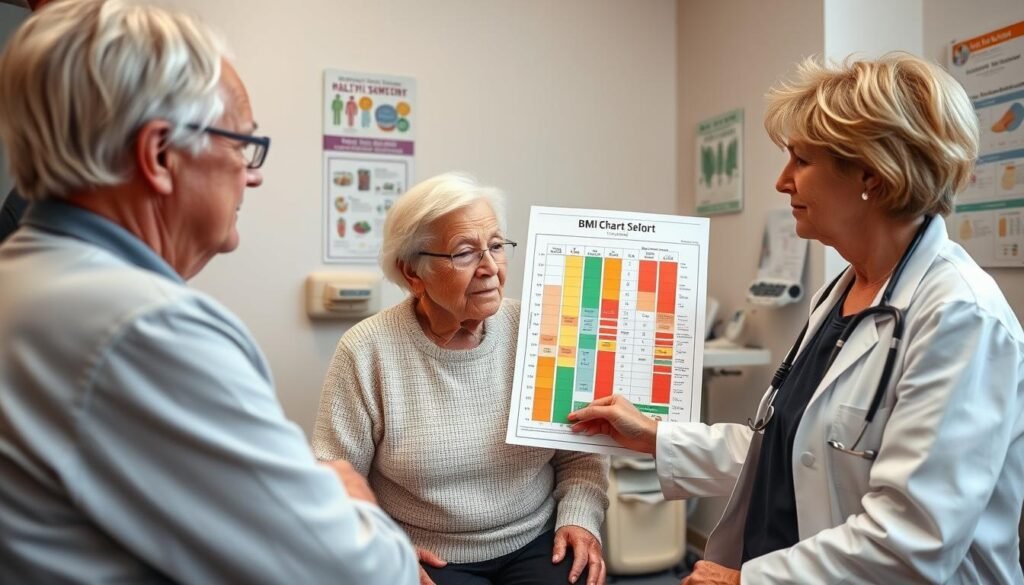
The Body Mass Index (BMI) has long been used as a screening tool to categorize weight status and potential health risks. However, research increasingly shows that standard BMI categories don't apply equally across all age groups, particularly for older adults.
Age-Related Body Composition Changes
As we age, several physiological changes occur that affect how we should interpret BMI values:
- Decreased muscle mass (sarcopenia), which weighs more than fat
- Reduced bone density and height loss
- Redistribution of fat, often increasing around the abdomen
- Changes in metabolic rate and nutritional needs
These changes mean that an older adult might have a "normal" BMI according to standard charts but still have unhealthy levels of body fat. Conversely, a slightly higher BMI in seniors may actually be protective against certain health conditions and mortality.
Research published in the American Journal of Clinical Nutrition found that the lowest mortality rates for adults over 65 were associated with BMI values between 23 and 30—higher than the standard "normal" range of 18.5-24.9.
Age-Adjusted BMI Ranges for Elderly Adults
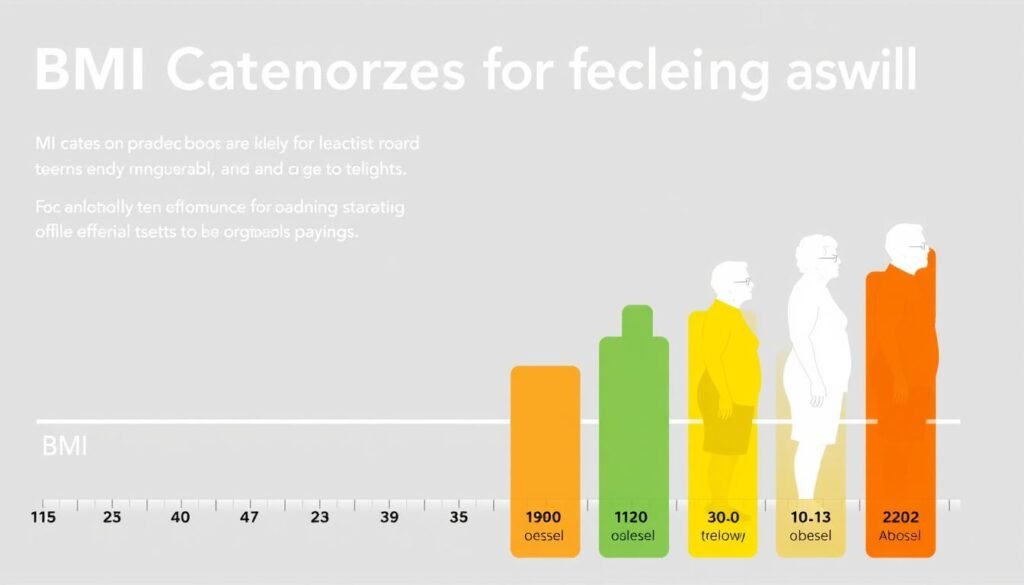
Based on geriatric research and meta-analyses, health experts now recommend different BMI categories for adults over 65 years of age. These adjusted ranges better reflect the relationship between weight and health outcomes in older populations.
| BMI Category | Standard Adult Range | Elderly Adult Range (65+) |
| Underweight | Below 18.5 | Below 23 |
| Normal weight | 18.5 - 24.9 | 23 - 30 |
| Overweight | 25 - 29.9 | 30 - 35 |
| Obese | 30 or higher | Above 35 |
These adjusted ranges reflect what researchers call the "obesity paradox" in older adults—where a slightly higher BMI may offer protective health benefits, particularly during illness or recovery from medical procedures.
Limitations of Standard BMI for Older Adults
What BMI Does Well
- Provides a quick screening tool
- Easy to calculate and understand
- Useful for population-level health assessments
- Correlates with certain health risks in general populations
BMI Limitations for Seniors
- Doesn't distinguish between fat and muscle mass
- Fails to account for sarcopenia (age-related muscle loss)
- Doesn't measure fat distribution (visceral vs. subcutaneous)
- Doesn't consider bone density changes
- May underestimate health risks in "normal" BMI seniors
Alternative Assessment Methods
For a more comprehensive health assessment in older adults, consider these measurements alongside BMI:
Waist Circumference
Measures abdominal fat, which is linked to higher health risks. For older adults, waist measurements above 35 inches (women) or 40 inches (men) may indicate increased health risks regardless of BMI.
Waist-to-Hip Ratio
Assesses fat distribution pattern. A ratio above 0.85 for women or 0.90 for men suggests central obesity, which carries higher health risks than fat distributed in other areas.
Body Composition Analysis
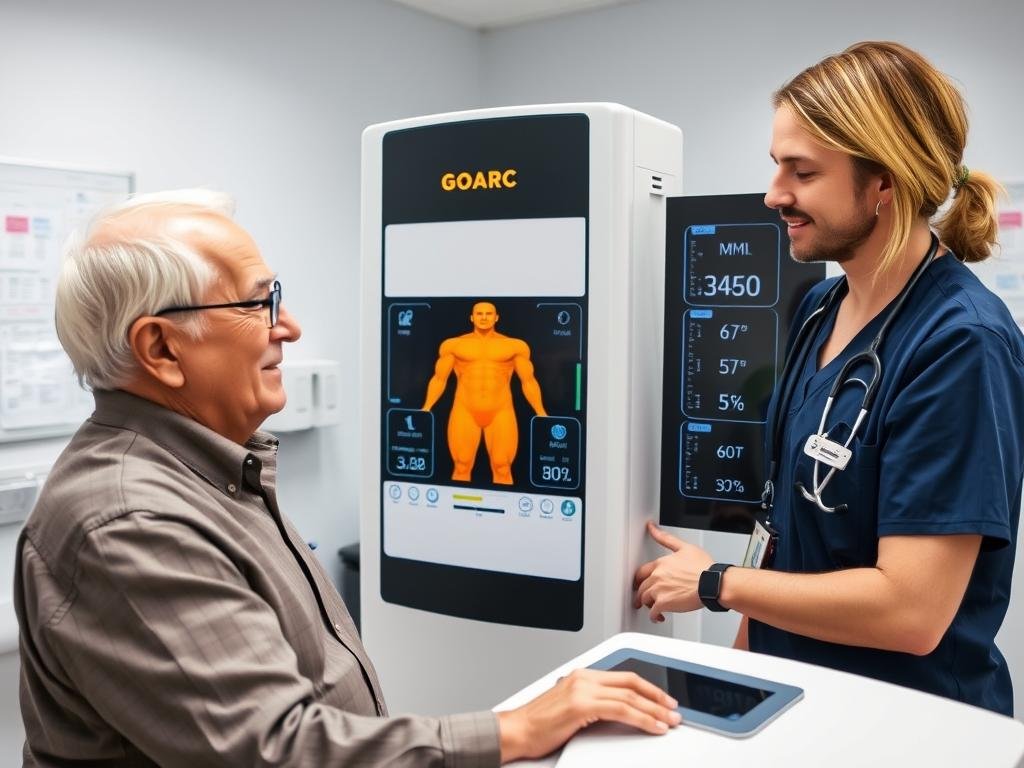
Methods like bioelectrical impedance analysis (BIA) or dual-energy X-ray absorptiometry (DEXA) provide detailed measurements of fat, muscle, and bone mass—offering a more complete picture than BMI alone.
Results will show your calculated BMI value along with an age-appropriate interpretation based on geriatric health guidelines. Remember that BMI is just one health indicator and should be considered alongside other factors.
How to Calculate BMI for Elderly Individuals
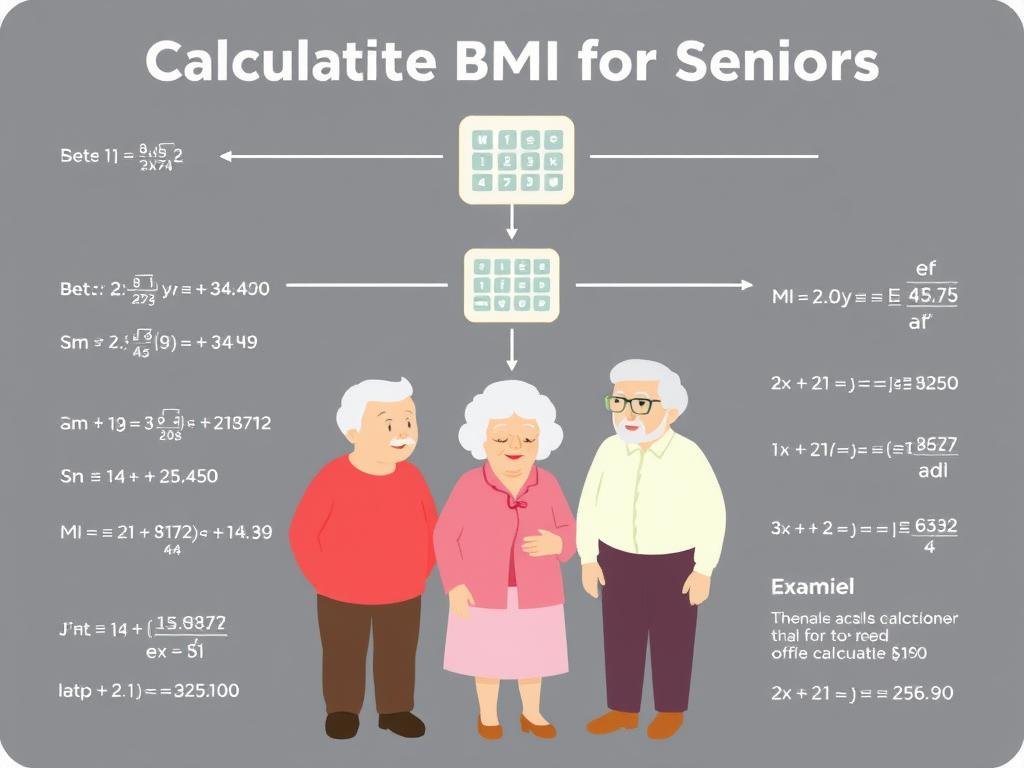
While our calculator automates the process, understanding how BMI is calculated can help you better interpret the results.
BMI Formula
Metric Formula
BMI = Weight (kg) ÷ Height² (m²)
Example: For a person weighing 70 kg and standing 1.65 m tall:
BMI = 70 ÷ (1.65 × 1.65) = 70 ÷ 2.72 = 25.7
Imperial Formula
BMI = [Weight (lbs) ÷ Height² (inches²)] × 703
Example: For a person weighing 154 lbs and standing 5'5" (65 inches) tall:
BMI = [154 ÷ (65 × 65)] × 703 = [154 ÷ 4225] × 703 = 0.036 × 703 = 25.6
Interpreting Results for Seniors
After calculating your BMI, use the age-adjusted categories to interpret your result:
Underweight (BMI below 23)
- May indicate malnutrition or underlying health issues
- Associated with higher mortality risk
- May suggest loss of muscle mass
- Consider nutritional assessment
Normal Weight (BMI 23-30)
- Optimal range for most seniors
- Associated with better health outcomes
- Provides energy reserves for illness
- Focus on maintaining weight
Overweight/Obese (BMI above 30)
- May increase risk of chronic conditions
- Can limit mobility and independence
- May exacerbate joint problems
- Gradual weight management recommended
Health Implications of BMI in Elderly Populations

Risks of Being Underweight (BMI below 23)
For older adults, being underweight often poses more immediate health concerns than being moderately overweight:
- Weakened immune function and increased susceptibility to infections
- Higher risk of falls and fractures due to reduced muscle mass and bone density
- Poor wound healing and recovery from illness or surgery
- Increased mortality risk, particularly during hospitalization
- Cognitive decline associated with nutritional deficiencies
- Reduced quality of life and independence
Risks of Being Overweight (BMI above 35)
While moderate overweight status may be protective for some seniors, significant obesity still carries health risks:
- Increased strain on joints, exacerbating arthritis and limiting mobility
- Higher risk of cardiovascular disease and complications
- Increased likelihood of type 2 diabetes and related complications
- Breathing difficulties including sleep apnea
- Greater difficulty with activities of daily living and potential loss of independence
The "Obesity Paradox": Research suggests that for adults over 65, being slightly overweight (BMI 25-30) may actually be protective against certain health conditions and associated with lower mortality rates compared to being underweight or having a "normal" BMI by standard measures.
Practical Tips for Maintaining Healthy Weight in Senior Years

Nutrition Guidelines for Seniors
- Prioritize protein intake (1-1.2g per kg of body weight daily) to preserve muscle mass
- Focus on nutrient-dense foods rather than calorie restriction
- Stay hydrated with water, as thirst sensation decreases with age
- Include calcium and vitamin D for bone health
- Eat smaller, more frequent meals if appetite is reduced
- Limit processed foods high in sodium, sugar, and unhealthy fats
Physical Activity Recommendations
- Aim for 150 minutes of moderate activity weekly (or as tolerated)
- Include strength training 2-3 times weekly to preserve muscle
- Practice balance exercises to prevent falls
- Choose low-impact activities like walking, swimming, or recumbent biking
- Focus on functional fitness that supports daily activities
- Start slowly and gradually increase intensity
Calculate Your BMI
Use our specialized elderly BMI calculator to determine your healthy weight range.
Weight Management Approach for Seniors

For older adults, the goal should rarely be significant weight loss. Instead, focus on maintaining muscle mass, ensuring adequate nutrition, and supporting overall function and quality of life.
Should seniors try to lose weight if their BMI is high?
Weight loss for seniors should be approached cautiously and always under medical supervision. Rapid weight loss can lead to muscle loss, nutritional deficiencies, and increased frailty. For most older adults, maintaining weight while improving nutrition and physical activity is often a better approach than focusing on weight loss.
How can underweight seniors gain weight healthily?
Underweight seniors should focus on nutrient-dense, calorie-rich foods rather than empty calories. Add healthy fats like olive oil, avocados, and nuts to meals. Include protein with each meal. Consider smaller, more frequent meals if appetite is limited. Nutritional supplements may be helpful under healthcare provider guidance.
When to Consult Healthcare Professionals
While BMI calculators provide useful screening information, they don't replace professional medical advice. Consider consulting a healthcare provider in these situations:

Significant Weight Changes
Consult a healthcare provider if you experience unintentional weight loss or gain (more than 5-10 pounds over a few months), which may indicate underlying health issues.
BMI Outside Healthy Range
If your BMI falls below 23 or above 35, a healthcare provider can help assess potential health risks and develop appropriate management strategies.
Chronic Health Conditions
If you have diabetes, heart disease, arthritis, or other chronic conditions, work with your healthcare team to determine the optimal weight management approach for your specific situation.
Important: BMI is just one health indicator. A comprehensive assessment should include medical history, physical examination, laboratory tests, functional status, and quality of life measures.
Need Personalized Guidance?
For individualized weight management advice tailored to your specific health needs, consult with a healthcare professional who specializes in geriatric care.
Understanding BMI in the Context of Healthy Aging
Body Mass Index for elderly individuals requires a different interpretation than for younger adults. The ideal BMI range shifts upward with age, with values between 23 and 30 generally associated with better health outcomes for adults over 65. However, BMI is just one tool in assessing overall health.
Focus on maintaining muscle mass, staying physically active, consuming adequate nutrition, and preserving functional abilities rather than achieving a specific weight or BMI number. Remember that health is multidimensional, especially in older age, and quality of life should remain the primary goal of any weight management approach.

Take the First Step Toward Healthy Aging
Use our specialized BMI calculator for seniors to better understand your weight in the context of healthy aging.